
Create sensational cosplay effects, using our in-depth how-to-body-paint guide. It’s packed with hints & tips from leading cosplayers

Face and body painting are essential skills for many cosplay characters, from Harley Quinn (subtle) to Avatar (full-on).Use our top tips to achieve the best effects, much more quickly than by trial and error.
Body-painting equipment
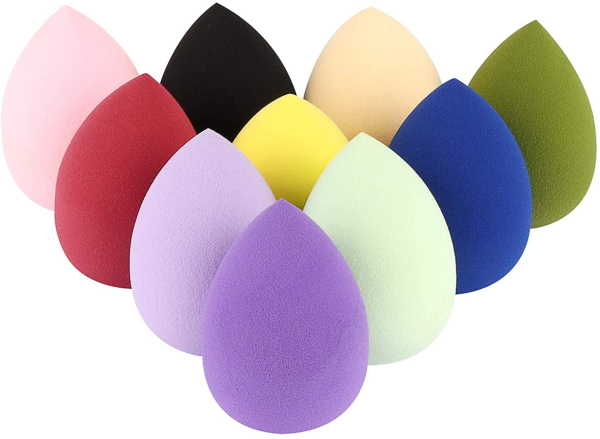
You’ll need a range of make-up brushes and applicators, along with a beauty blender sponge, to achieve the best effects. See which method of application suits you best, for both speed and quality of finish. With some body paints, a hairdrier may help to dry the paint more quickly.
@lawamoo: Body and face painting tips
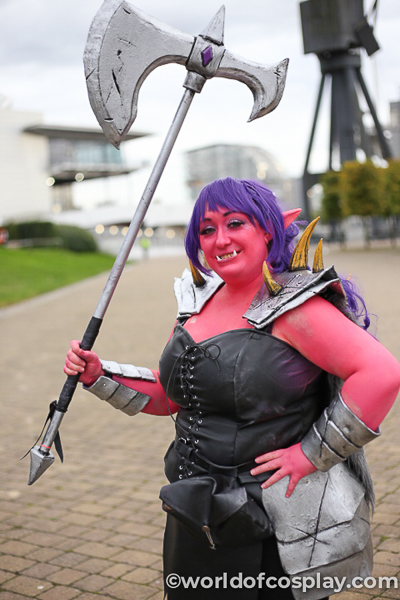
For Hellita I used: Mehron skin prep primer, £12.95; Diamond FX cake face & Body Paint in Pink, £4.95; WRATH High-Density Face & Body Sponges (Pack of six) £3.49 and Ben Nye Final Seal, £7. I prepared my skin using the primer, spraying it evenly over the areas I needed painting, let it set and sprayed another coat. A friend applied the paint, we added a bit of water and gradually built up the coverage, painting a layer and letting it dry, spraying with the Ben Nye seal and painting another layer until the tone/coverage was correct. We coated my skin in a final layer of the seal and let it dry. A tip is to use baby powder between layers to help set it, but this time around I just used the Primer-Paint-Seal technique. Also, keep your paint and spray with you at cons, to correct areas throughout the day.
@lawamoo’s face and body painting tips
Body paints
Body paints come in various forms, so trial a few to see which suit your style (and your skin type) best. Experts vary on which they recommend. Some paints are designed for short-term make-up, say a theatre play, while others are better for wearing all day at a Con. Other qualities like water/sweat-resistance may be important to you depending where you live or cosplay.
One thing that’s all-important is the density of the pigment. As with most things, you get what you pay for, so cheap body paints are likely to take more time and paint to achieve the effect you’re after… potentially a false economy, especially if they don’t stay on as long. Buy the best-quality paints you can afford.
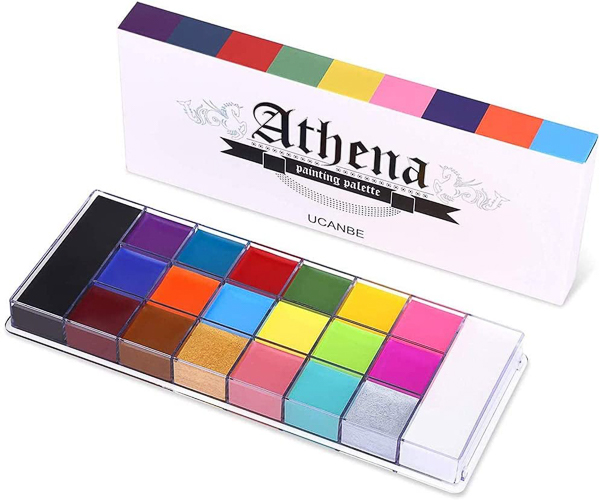
Water-activated paints – Glycerin or Wax
Glycerin-based paints like Graftobian Pro Paint, Mehron Paradise Paint, Fab Face Paints and Kryolan AquaColor, have excellent pigment and they tend not to stain.
Glycerin dries more slowly than wax, so you have more time to blend in and remove any streaking. However, they will run if you sweat.
One small container typically holds enough paint to cover a whole body, and they easily wash off in the shower.
Wax-based bodypaints, from the likes of Cameleon Professional, Wolfe F/X and Tag face paints are typically used for line-work: outlines, writing, tattoos, etc, as they tend to give a more defined edge, but blend less well. These dense paints feel quite thick and heavy compared to glycerine, so are not best suited to more extensive coverage.

Alcohol-activated paints
These paints are only activated by alcohol, so are resistant to sweat and rain, etc. They are generally only used for small effects, say, a wound, and not for extensive body coverage. This is because they can’t be easily removed with water, so you need alcohol or a solvent to get them off – we’re talking 99%-proof Isopropyl alcohol (£10 for a litre off Amazon!).
As an example, the Skin Illustrator FX 10-colour paint palette costs four or five times more than water-activated paints; possibly even more because you get less pigment in the palette.
Finally, alcohol-based body paint dries very quickly, and should be used in a well-ventilated space.

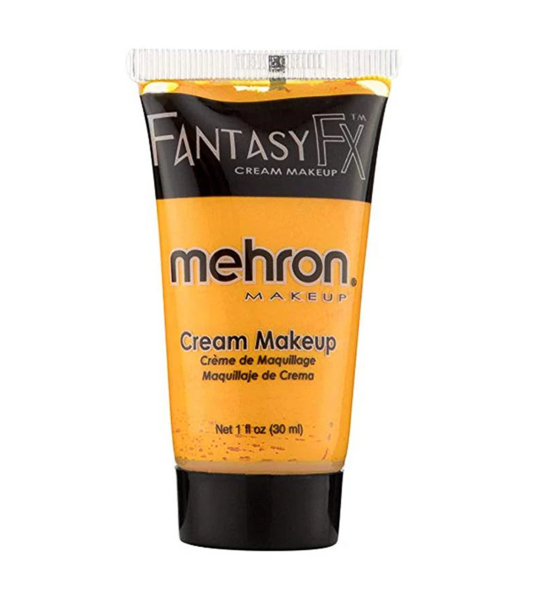
Cream body paint
These creamy paints don’t need to be activated, and have a density of pigment that makes them ideal for colour-coordinating things like bald caps or latex. They are easy to apply and, the manufacturers say, give a life-like ‘in-the-skin effect’ when creating things like bruises. The better cream paints are very fine and silky and easy to build up in layers. They can be applied directly to the skin, and, for longer life, can be set with colourless powder, then sealed with a spray.
For a more washed-out effect, they can be diluted with a few drops of isopropyl alcohol (IPA).
Grease paint
These are mainly used in theatre and are not the best choice for prolonged wearing, like a full day at a Con. They are thick and heavy, and they don’t dry, but can be sealed with powder. Apply with a sponge rather than a brush. The less popular choice, and probably best avoided.

@angelundies: Body and face painting tips

I use Mehron body paint, it’s a premium brand costing around £10 from Amazon, which is enough for two to three good applications of upper body paint. I add a small amount of water, and mix it with a sponge, using a dabbing action to apply to my skin. Typically, it takes two to three layers for complete coverage. Once I have my preferred coverage, I apply a setting powder or spray to ensure it lasts throughout the con.
@angelundies on applying body paint for Onward’s Ian Lightfoot
Buying and using body paints
• As an initial purchase, consider buying red, blue and yellow paint, as you can make almost any hue from these three primary colours. You can also use black or white paint to darken or lighten the tone.
• Cover up any tattoos you have with a denser neutral colour before you start painting, as they may show through even the most opaque body paint and spoil the effect.
• Also, consider applying a make-up primer. These creams are designed to smooth the make-up applied on top of them, at the same time creating a better base so make-up goes further, and provides a better, longer-lasting finish.
• If your body painting is very detailed or has dots or line work, you’ll need to invest in decent brushes. There are two types: Kabuki are dense and bushy brushes for covering large areas with make up.
Artist-grade paint brushes are perfect for detail. They include types such as round, filbert, flat, rake for different effects.
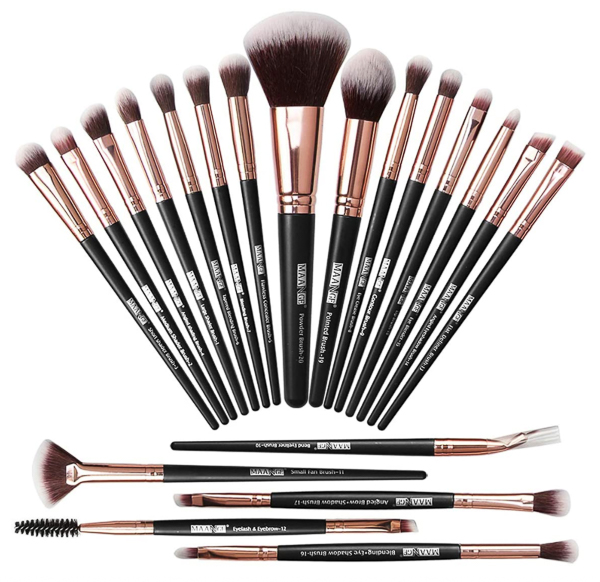
• For working with water-based paints, consider using a brush with synthetic hairs. You may see or be offered Kolinsky sable brushes, but bear in mind, while good for the job, they are considered cruel in terms of animal welfare. Modern synthetic brushes are very ‘springy’ and keep their profile when wet, and they are less likely to be stained with the colour.
• Try your paint on a small patch of skin first to test for any reaction.
Those with very sensitive skin might want to try Mehron Paradise water-activated paints (you can control the density of the colour – and they smell good!). Users find they are super-gentle on sensitive skin.
To make removing them easier, try lightly rubbing in coconut oil first to start breaking the paint up, then use your normal soap to remove it entirely.
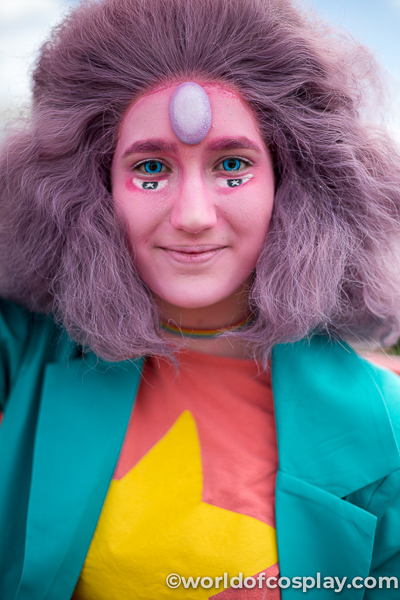
• Use a brush, sponge or a beauty blender sponge to apply the body paint. You’ll soon work out which one suits you best. Apply the paint at all angles, as you work it in, so you don’t end up with brushstroke marks or lines. Also, make sure any skin wrinkles – like those around your wrists or knees, etc – are fully painted in, by bending your limbs at all angles and filling every nook and cranny as you apply the colour.
When using a sponge/blender, dab or stipple the paint on. With sponges, wet them first, then squeeze all the water out before ‘scooping’ up the paint.
• When using a brush, load both sides of it with body paint, so that your back-and-forth brushing action doesn’t apply, then immediately wipe-off the paint (no wax-on wax-off motions please). Many cosplayers find that ‘patting’ the paint on creates a less streaky effect. Try them all and see what works for you.
• When using a brush to apply the paint, you don’t have to press hard.
• Use a primer before application to avoid cracks and creases on your eyelids, then apply matching eye-shadow over it.
• After applying the first coat of body paint, seal it with a powder. Experts recommend something like Ben Nye Powder – for white make-up use the Super White Professional Powder, and for colours, you can use the Neutral Set Colorless powder. Use a soft brush to apply this liberally.
For anyone on a budget, lightly applying baby powder and brushing it in also works well, and doesn’t diminish or whiten the bodypaint.

• Next, seal the first coat with a make-up sealer. Again, experts recommend a stage make-up fixer from Kryolan or the Ben Nye Final Seal Matte Make-Up sealer. Spray these on and let them dry, or lightly brush them in.
Liquid sealants can make some bodypaints appear patchy, so do a test first.
• You can repeat this process until you get the density of coverage you require. Usually two to three coats is enough.
Body-painting hacks

As painting a large portion of your body can take two to four hours, here are some hacks that may make life easier.
• Consider wearing coloured tights or leggings to remove the need to paint your legs.
• Tight gloves in a stretchy fabric (with finger nails glued on), mean you don’t have make-up on your hands all day, though, of course, this only works for characters with sleeves/bracelets/wristbands.
• Alternatively, consider purchasing a Morph suit and cutting the head off it. These come in lots of colours, but do have a zip and seams.
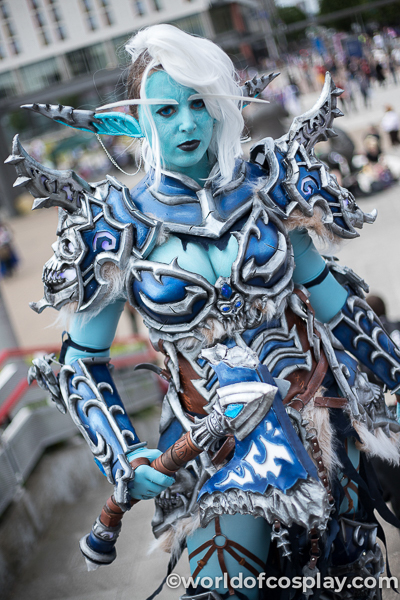
• Arm socks come in various forms, but we’re talking about those made from thin, nylon-tights material. They go over the head and stretch to tightly cover the shoulders and arms. When well-fitted, they look great for photographs.
• You can actually adapt and dye normal nylon tights for the purpose, cutting a hole in the crotch where the head goes through!
Alternatively, you can just buy lengths of nylon material to cover the arms (for when you have short sleeves and gloves.
• For beard stubble or bruising effects, use a stipple brush and lightly dab the body paint on, creating a fine dotted effect. Use spray sealer for this effect, as brushed baby powder will blur the tiny dots.
Author:
John Sootheran
John’s a cosplay photographer and videographer who visited his first con in 2017, and has been to numerous London, Birmingham and Manchester events since.
He finds the cosplay vibe addictive and is one of the team to launch worldofcosplay.com
Leave a Reply