
World of Cosplay’s in-depth guide to maintaining your costume wig: detangling, recurling, washing and storing

Caring for your cosplay wig
Any active cosplayer can soon amass a collection of wigs, that has cost them a lot of hard-earned cash.
Keeping these wigs in great condition for future cosplays, or even to sell on, makes perfect sense. Here’s how you do it.
Cosplay wig care kit
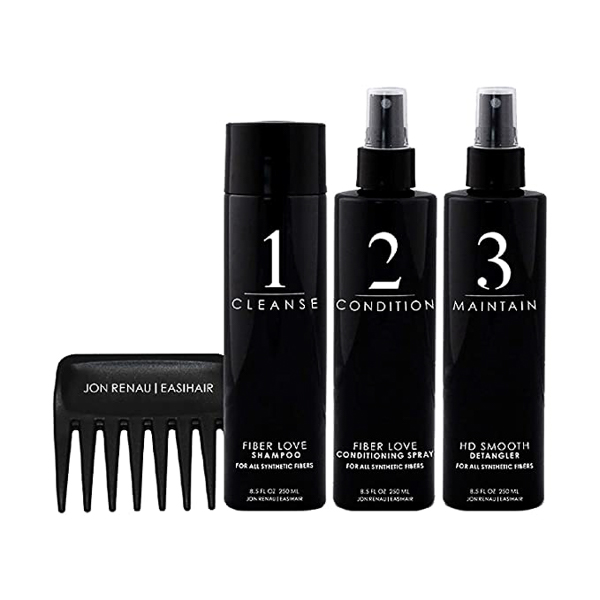
Start by investing some wig care kit. You could buy a complete kit like this one from wigsuk.com, which costs £34, or, alternatively, piece one together yourself, perhaps using non-specialist hair products and cutting the cost.
Caring for your wig doesn’t have to be expensive, but replacing one decent wig that you can’t use any more could be.
Find this care kit here.
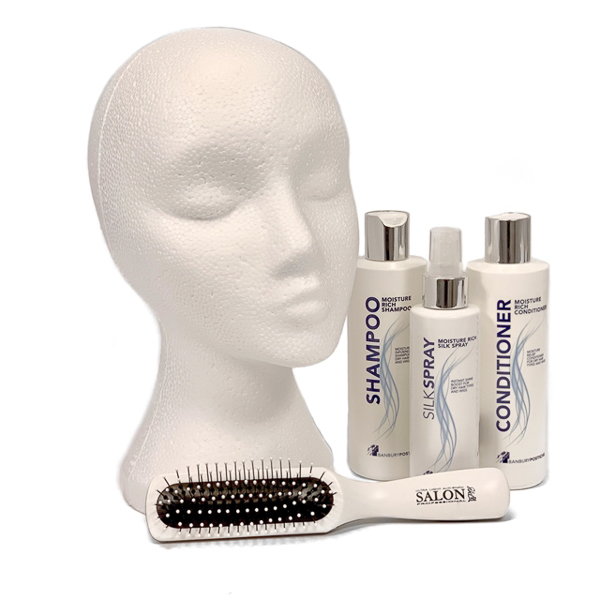
This polystyrene head is ideal for brushing and storing the wig, ensuring it doesn’t lose its shape. These are available for just £1.99 on amazon.co.uk, plus £2.99 delivery, here

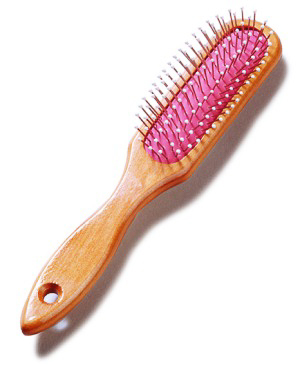
Wig brush
A wooden wig brush is available for £5.90, here
Wig comb
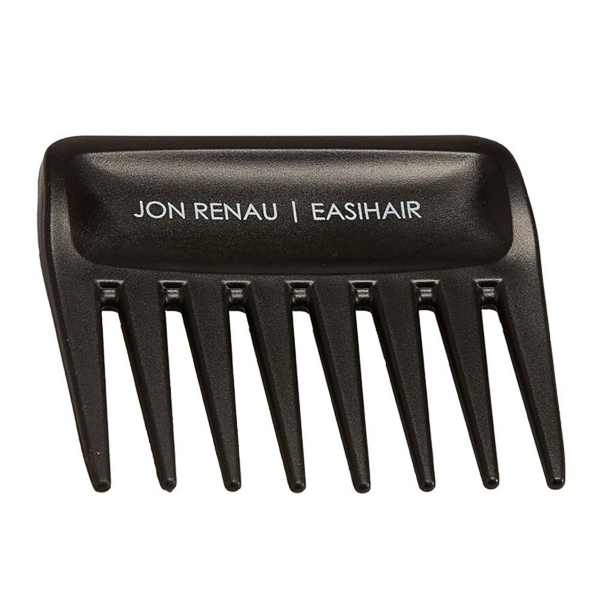
A wig comb generally has wider-spaced teeth. Buy this one for £5, here.
Wig-care products
Specialist wig-care products are available from many sources, and vary hugely in price. You might even consider using your regular hair products instead.
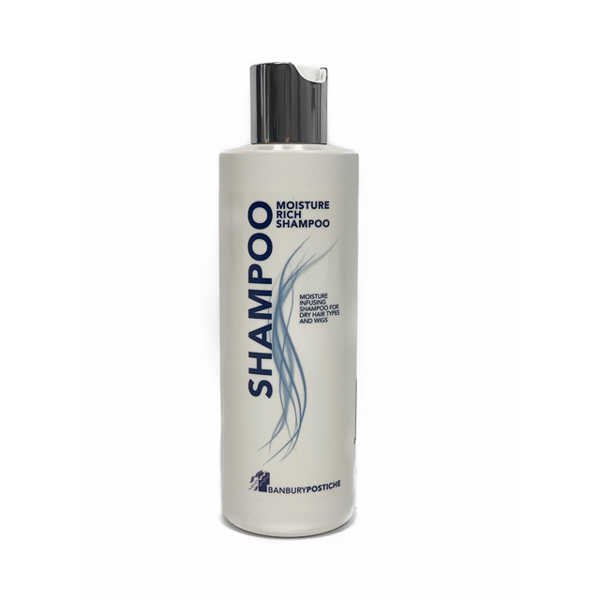
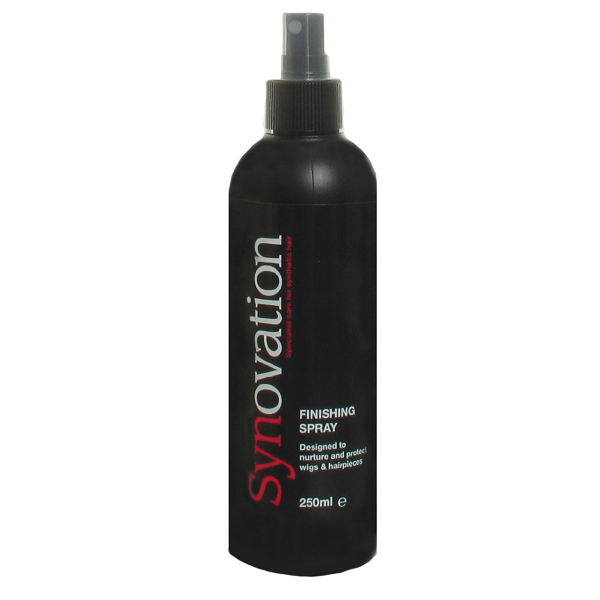
This Synovation finishing spray costs £8.50, here.
How to detangle wigs
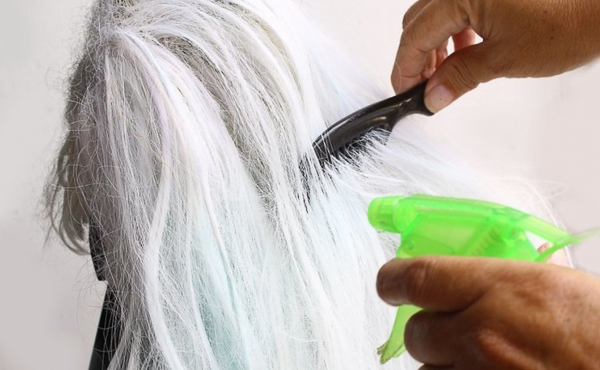
Most good-quality wigs are tangle resistant thanks to the high- quality fibres used in their construction. However, they are not 100% tangle proof, so care still needs to be taken.
Any tangles are more easily removed than from cheaper hairpieces. Here’s how:
You’ll need a detangle kit consisting of:
• A wide-tooth comb
• A wig brush. You can use a regular brush, after you have cut off the ball tips
• A can of silicone spray
For wigs that are shoulder length or shorter, a wide-tooth comb should be sufficient to remove light tangles.
Longer wigs are more likely to tangle and therefore require more tlc, more frequently.
@beci_bombshellcosplay: Wig care tips

My top tip is to invest in a Tangle Teezer brush. Wigs can get knotty quickly and some hair brushes are designed for use on thicker, synthetic hair, so they’re perfect for wigs and hair extension users! Also, trim the wig every few months to avoid dry ends, as after a certain amount of time wig ends can get crispy, so treating it similar to real hair is a great piece of advice.
@beci_bombshellcosplay on wig care
Minimising light tangling
To maintain your wig in the best possible, tangle-free condition…
Give your wig a good brush and a light coat of silicone spray, prior to putting it on. Pay extra attention to the section between the neck and shoulder blades, as most tangles appear here.
While wearing your wig (especially for extended periods at con), keep a small brush or comb to hand.
You can even ‘finger comb’ your wig whenever you get a spare minute, so it stays in the best possible condition.
During longer breaks, you, or a friend, can give the wig a thorough brush, to keep it looking fab.
After taking your wig off for the day, give it another spray with silicone spray, and run a brush or comb through it, removing any tangles before you store it.

Detangling straight wigs
Prepare your wig with a light mist of silicone spray. This lubricates the fibres, lessening the chances of snapping them if you comb the knots too hard.
Frizzy wigs are often the result of snapped fibres that have snapped while brushing.
Separate the hair into sections and comb them one at a time. This helps you to separate the newly untangled hair from the hair that still needs combing.
Use your fingers to comb through the fibres. Starting with the biggest knots, gently pull them apart, and finish off with your comb.
Start combing from the bottom of the wig, working your way up. When you hit a stubborn tangle, try to pull it apart with your fingers before forcing the comb through.
Take your time for the best results.
Detangling curly wigs
When detangling curly wigs, work on one curl at a time, using the technique above.
You may need to recurl the wig when finished.
Recurling a combed wig
If the curls have combed out of your wig, or are looking a bit worse for wear, you can recurl it without heat.
Run damp fingers, down each lock of hair, until the hairs are aligned, then gently twist the lock several times in one direction. The curl will magically reappear. Experiment to find how much twisting of the locks you need to do.
Watch a video on recurling here

Washing your wigs
As there is no build-up of natural oils, synthetic wigs do not need to be washed as often as real hair ones, unless of course you have to cover it in hair products to achieve ‘best character’.
Untreated wigs should typically be washed after every three or four cons.
• Ensure your wig is well brushed out before washing, as water is only likely to worsen any tangles.
• Use a tub, sink or a bucket of lukewarm water.
• Consider using specialist wig shampoo, baby shampoo or a bar of soap.
• Put the shampoo or soap into the warm water.
• Submerge your wig in the water, then gently work it for several minutes.
• When it has been thoroughly manipulated, remove it from the water and rinse it under a tap or shower head until all the shampoo has gone.
• Now, put your wig on a towel or, better still, a drying rack/rail to let it dry. Do not dry it too quickly near a heat source, and do not comb or brush your wig while it is still wet, as this will make it go frizzy. .
• Once completely dry, brush the wig thoroughly.

Caring for your lace front wigs
Lace front wigs need more care than standard ones, and cannot be brushed as briskly as the finish is more delicate.
When cutting the lace front to size, most users leave about 6mm (1/4in) of lace edging as this protects the hand-tied fibres.
If your lace wig is fixed with glue, this may build up over time and will need to be cleaned off occasionally. Likewise, the foundation you use to blend the lace into your skin may also clog up the fine mesh.
To clean a lace front, you’ll need: a toothbrush and shampoo.
• Run the lace under warm or hot water, slowly soaking the areas worst affected.
• Gently apply some shampoo to the lace.
• Scrub the lace in small, circular motions with the toothbrush.
• Rinse the lace under the water, and repeat until the lace is clean.
Wig care accessories
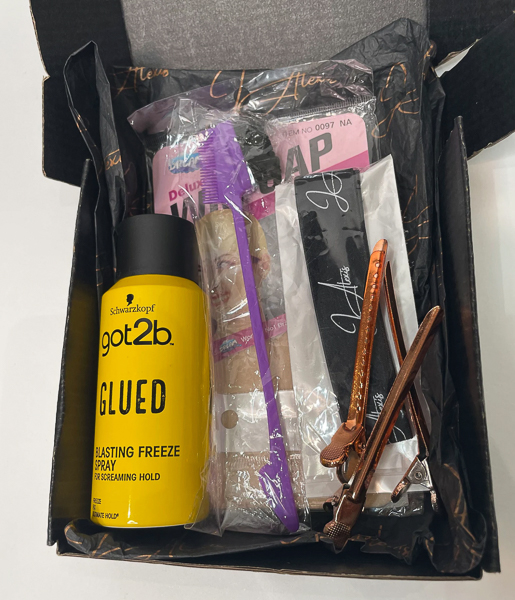
Regular wig wearers might consider buying a wig care kit, to keep their toupées in tip-top!
This beginners’ kit costs £14 from Jalexishair on the etsy.com website.
Click here to see this Wig Care Kit on Etsy.
Storing your wigs
Maintain your wig in great shape by storing it carefully.
The best way to keep it in excellent condition is to use a wig stand, which will protect its shape, especially if it’s spiked or heavily styled.
Keeping it in its original bag should prevent it from tangling, but take care not to pile the bag under other clothes or accessories. To keep the wig fresh, pop a lightly-scented dryer sheet in with it.
Keeping your wig on a stand will maintain its condition and minimise the amount of tangling between uses.
This budget stand from Accessotech costs just £3.49, and is particularly good for drying recently-washed wigs on.
Click here to see this wig stand on Amazon.

What if my cosplay wig irritates my scalp?
There are various reasons why a cosplay wig may make your scalp itch, including your own sensitive skin and hot sticky weather. Generally, experts agree that cheaper wigs tend to be itchier than better-quality ones. However, one cosplayer found that the alkaline coating that the manufacturers apply to wigs to stop them going mouldy in transit, can be a major cause of skin irritation.
Here’s how they tackled the problem, by soaking their wig in an Apple Cider Vinegar solution. This stuff’s available from many stores and is relatively cheap. Normal vinegar can be used, but the smell may be harder to get rid of.
• Half-fill a sink with water and add a cup of Apple Cider Vinegar.
• Mix thoroughly.
• Drop your wig in ensuring it is entirely immersed.
• Soak the wig for 30 minutes, stirring it gently from time to time. Don’t over-agitate it as you may cause knotting.
• Remove the wig and let it drip-dry for a few minutes before rinsing it gently with warm water. A showerhead is ideal for this.
• Next, wash the wig using a gentle detergent, such as Baby Shampoo.
• Rinse the wig thoroughly, then hang it up to dry. You can use a wig stand, or just a clothes hanger with clips.
• Once dry, the wig should itch no more… or at least a lot less.
• If it persists, consider using a wig cap underneath, which those with long hair may do anyway.
• You may be able to see the alkaline residue in the sink once you’ve finished washing the wig.

Author:
John Sootheran
John’s a cosplay photographer and videographer who visited his first con in 2017, and has been to numerous London, Birmingham and Manchester events since.
He finds the cosplay vibe addictive and is one of the team to launch worldofcosplay.com

Leave a Reply