
A fascinating look at how the cosplay phenomenom that we love was created
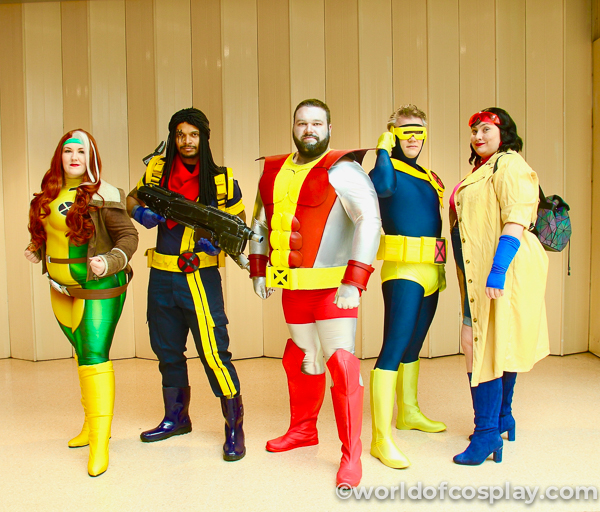
Cosplay (In Japanese コスプレ, kosupure) is short for ‘Costume Play’. It’s the practice of dressing up as a character from a film, comic book, TV show, video game or real life.
The term ‘cosplay’ was first coined in 1984 by Nobuyuki Takahashi, founder of Studio Hard – a Japanese publishing house that launched dozens of anime and video game publications.

It’s believed Takahashi first used the word following a visit to the World Science Fiction Convention (Worldcon) in Los Angeles, California. Takahashi didn’t like the translation of the word ‘Masquerade’, so he created the term Cosplay, a compound word, where ‘Costume’ becomes kosu (コス) and ‘play’ is pure (プレ).
Being deeply immersed in the anime scene in Japan, he also encouraged show visitors in his home country to dress up.
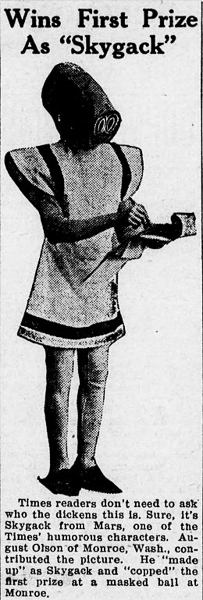
Cosplay/costuming/fancy dress/masquerade has existed in many forms for centuries. The exact history gets a bit blurred, but, back in 1908, a couple (either Mr and Mrs August Olson of Monroe, Washington, or Mr and Mrs William Fell from Cincinnati, Ohio, depending who you believe), dressed up for a Masquerade ball at an ice-skating rink as popular cartoon characters of the time: a Martian called Mr Skygack, and a prim young lady called Diana Dillpickles.
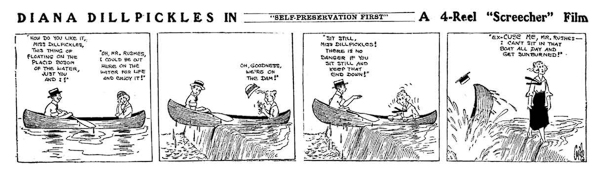
Both characters were created by newspaper cartoonist A D Condo.

We owe Armundo Dreisback Condo a debt of gratitude for two reasons: Mr Skygack is, most-likely, the first sci-fi cartoon ever published, and his characters inspired the first known modern cosplay.

Another relatively modern instance of early cosplay was when sci-fi fans, Forrest J Ackerman and his snappily-named girlfriend, Myrtle Rebecca Douglas Smith Gray Nolan (or Morojo, for short, phew!) created ‘Futuristicostumes’ for the 1st World Science Fiction Convention in NYC in 1939.
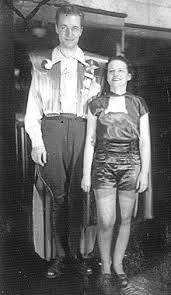
The pair thought everyone would dress up for the Con, but only they did! Morojo went on to inspire and promote the cosplay scene, and, in 2016, was recognised as the ‘Mother of Cosplay’ with a posthumous presentation at the 74th Worldcon.

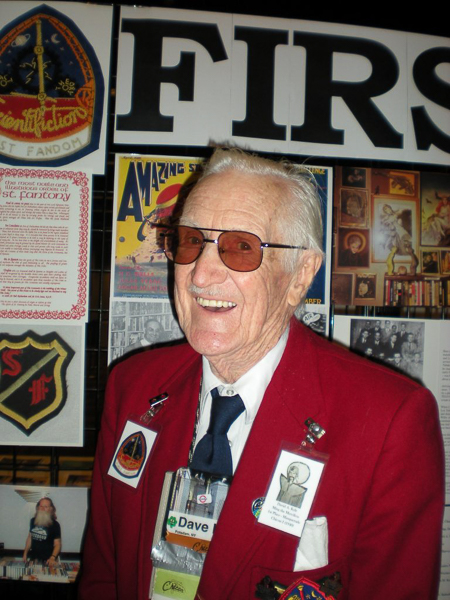
At the second Worldcon in 1940, two ‘masquerades’ took place: an official and an unofficial one. An American sci-fi writer and founder of the Fandom scene, David Kyle, won the official event dressed as Ming the Merciless from the Flash Gordon comic strip.
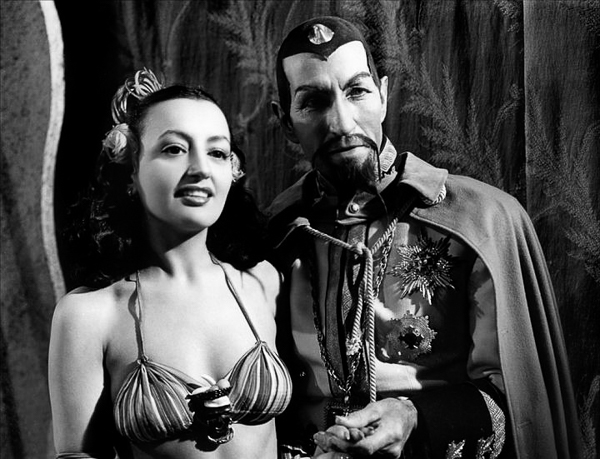
Kyle published the world’s first comic fanzine, The Fantasy World, in 1936, and spent his entire life in the sci-fi and fantasy world.

Kyle married a fellow fan, Ruth Evelyn Landis in 1957. The pair spent their honeymoon at the 1957 Worldcon in England, and were together until Ruth’s death in 2011. Kyle himself lived to the ripe old age of 97, and died in 2016.
Masquerading took off in Japan in the 1970s. It was boosted by manga series like Urusei Yatsura, and a TV show called Mobile Suit Gundam. Japanese students began to pay homage to the fictional characters, by re-enacting their favourite scenes at conventions.

1990s
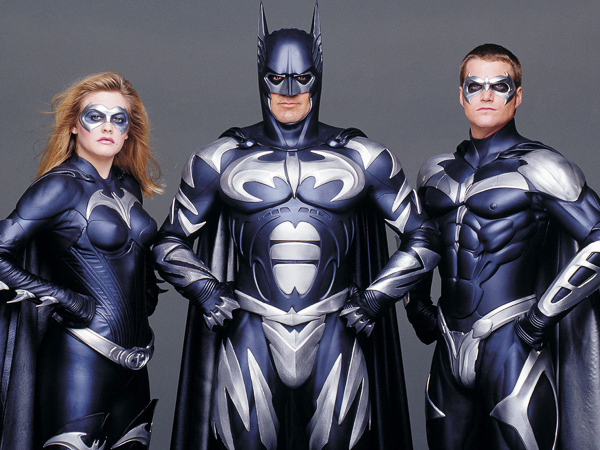
From the 1990s, video game characters became increasingly popular subjects for cosplay, while the burgeoning market for cinema superheroes also gave cosplayers more choice.
2000-2023
Through the 2000s, cosplay continued to grow in popularity and reach and was boosted hugely with the advent of social media, which allowed fans to communicate and share ideas, costume concepts, and praise, much more easily.

Most recently, the explosion in content required to feed the on-demand TV giants like Netflix, Disney+, Apple TV and Amazon Prime has given cosplayers easy access to even more inspiring characters across a vast array of genres.
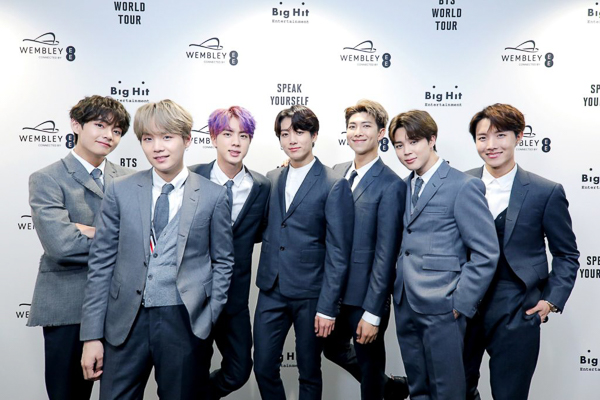
Meanwhile, popular brands as diverse as K-Pop and Harry Potter are easily accessible around the world at the press of a button, feeding the insatiable minds of global cosplayers with inspiration and ideas for their next con appearance.
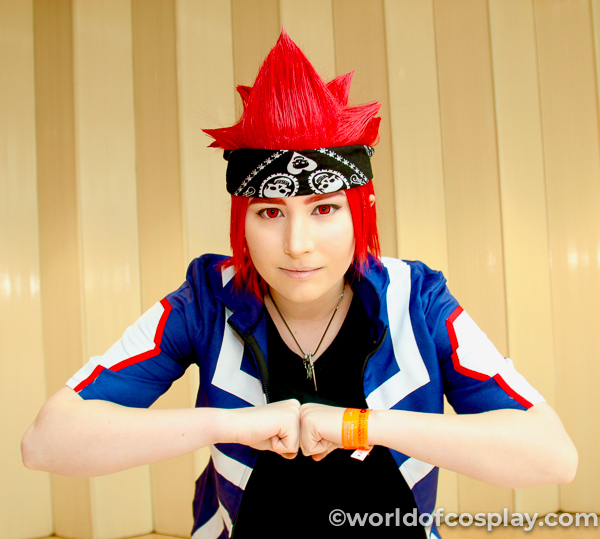
Modern cons are now filled with weird and wonderful characters, from mainstream Spider-Man fans to obscure anime characters most would have to Google to identify! Cosplay is certainly not just limited to sci-fi or anime any longer. At any convention, you’ll see superheroes, cartoon characters, Disney Princesses, Game of Thrones stars, gaming characters, and many more.
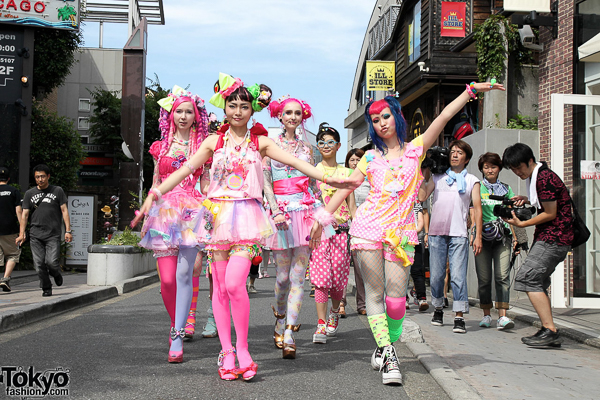
Meanwhile, in Japan, cosplay culture has become a lifestyle for many, with Tokyo districts like Shibuya and Harajuku busy with Cosplayers on a daily basis!
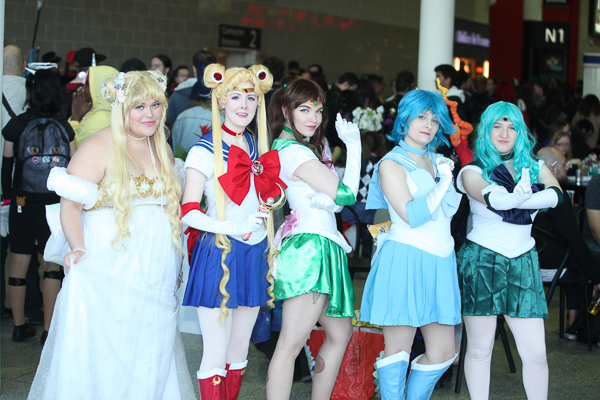
Mostly, cosplayers are celebrating their favourite characters, showing off their cosplay skills and trying to impress, which they do at the huge national and regional conventions (cons) and at smaller local get-togethers. Not that much different from the earliest days of cosplay!
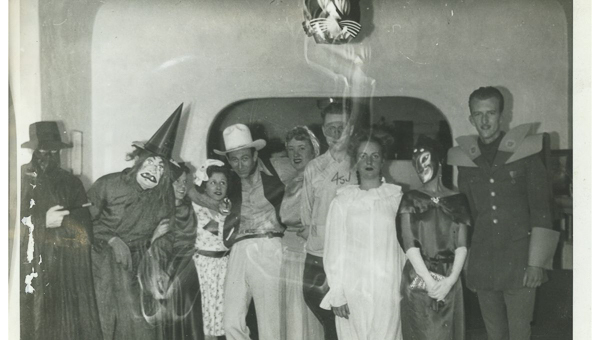
If you have anything to add to our ‘History of Cosplay’ feature, drop us a line.
Author:
John Sootheran
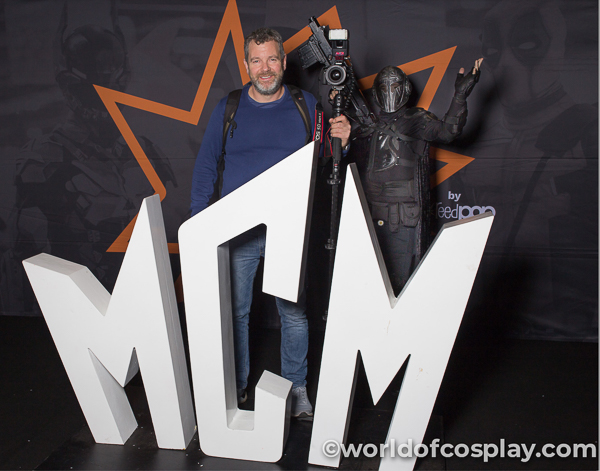
John’s a cosplay photographer and videographer who visited his first con in 2017, and has been to numerous London, Birmingham and Manchester events since.
He finds the cosplay vibe addictive and is one of the team to launch worldofcosplay.com.
Leave a Reply