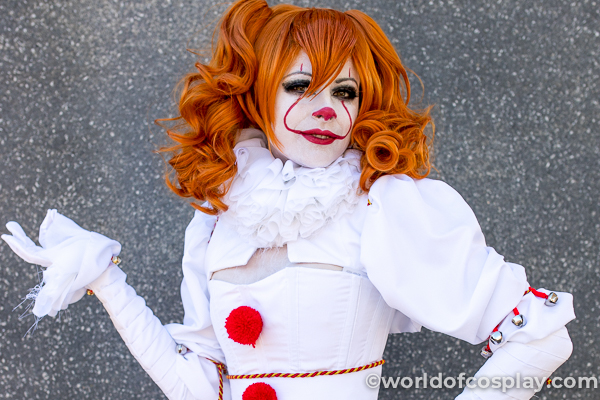
Know your costuming and pop-culture stuff! The comprehensive glossary for cosplayers and cosplay fans
A
Adult panel is a convention event for older audiences (18+) that may contain bad language, hentai/porn and graphic imagery. They are often held late in the evening to discourage minors from attending.
Anime (pronounced animay) is short for ‘animated’ and describes animated, (usually Japanese) TV series/films, with stories/characters often based on manga comics. Anime productions are growing increasingly popular thanks to on-demand TV services from Netflix and Amazon.
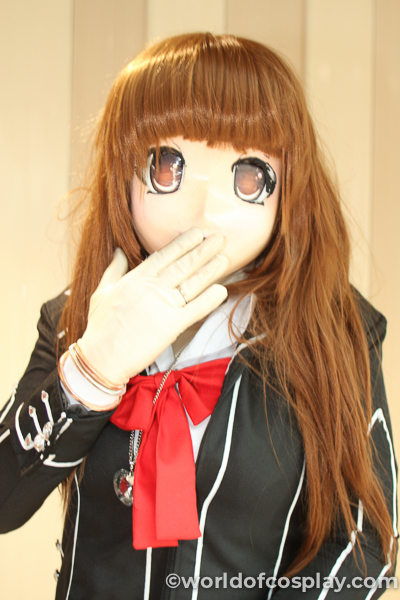
Animegao kigurumi (pronounced anima-gow, and meaning anime face) is known colloquially as kigurumi or kigu and occasionally as doller or kig. It describes a style of cosplay in the anime genre, where the wearer has a full costume, and their face is covered by a stylised mask.
Originally from stage shows, the style was eventually adopted by cosplayers. In Japanese cosplay, it’s usually referred to as animegao and the participants are sometimes called Dollers.
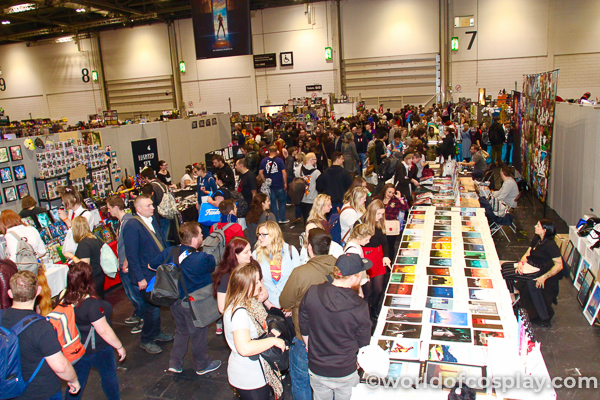
Artists’ alley – A section of a con event where artists showcase and sell their work.
B
Base costume – When cosplayers buy a piece of basic clothing, say a dress or overalls, with the intent to develop and accessorise it, to create a fully-fledged cosplay outfit.
C
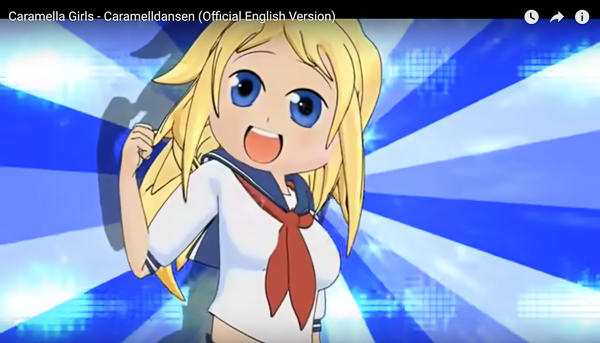
Caramell Dansen – Swedish for The Caramell Dance, a song by the Swedish band Caramell. It was released in November 2001, and gained popularity in 2006, when it was remixed with video of anime characters dancing for a meme. The simple dance is often performed when the song is played at cons, and involves using you hands to imitate bunny ears, while swinging your hips from side to side.
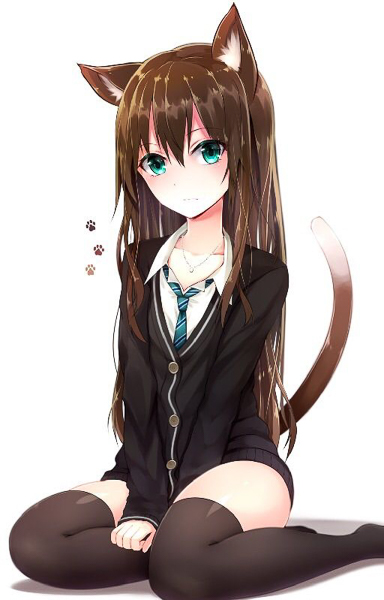
Catgirl/Catboy – A feline form of Kemonomimi that’s a very popular costume at cons, thanks to its simplicity, as only cat ears and/or a tail are required.
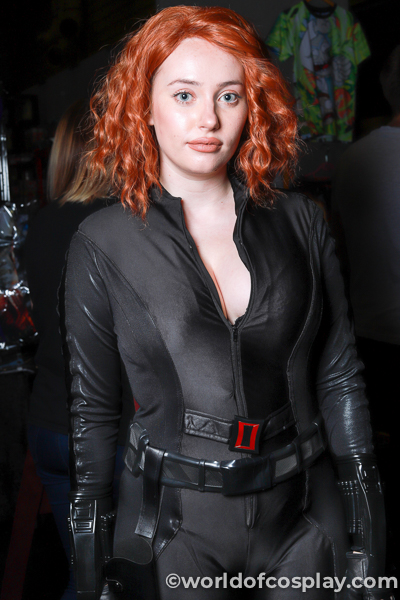
Catsuit – A full bodysuit that is tight-fitting and body-hugging. Usually they are made from stretchy/clingy materials like Lycra or Spandex. Unlike Zentai, a catsuit doesn’t cover the head, hands or feet.
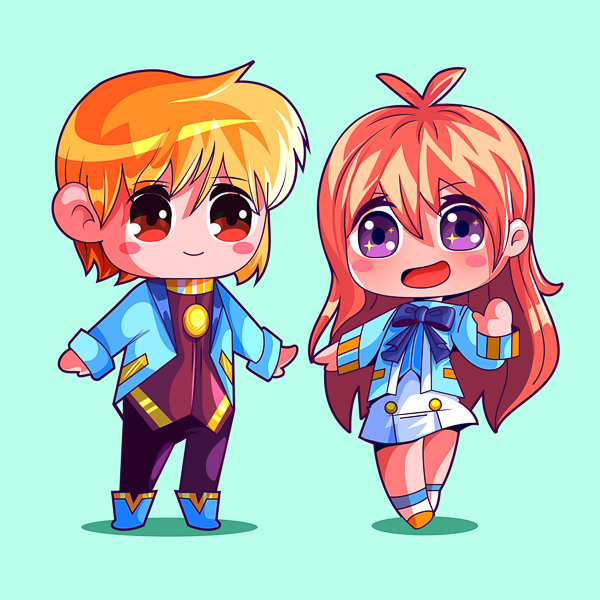
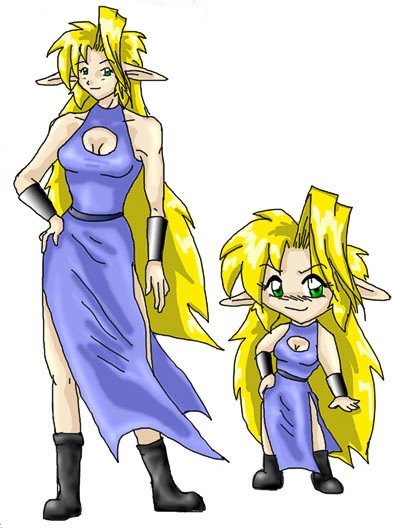
Chibi/Super deformed is a style of drawing that is impressionistic. Chibi means ‘short person’ in Japanese, and is a style often used when drawing anime characters. The term almost always implies something cute. The subjects can be proportionate or disproportionate, and are often drawn with oversized heads and small bodies. Chibi drawings often have super-sized eyes.
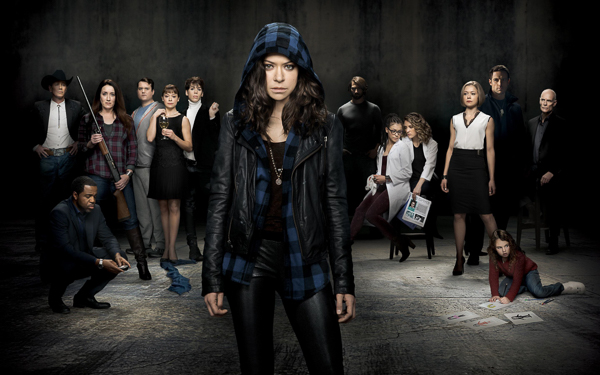
Clone club/clubber is a fan of the show Orphan Black.
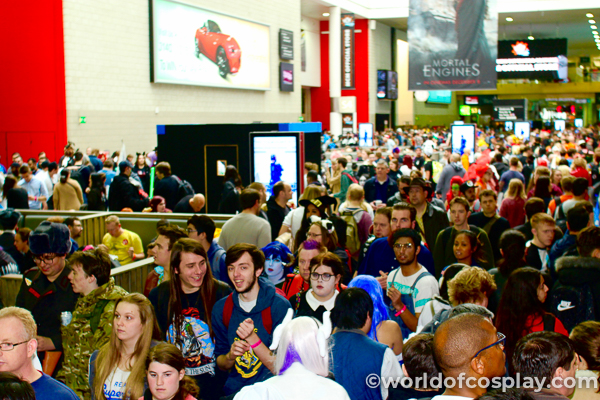
Con or convention – A gathering of genre fans celebrating all things to do with their lifestyle. Cons often feature celebrities, promotions for the latest games, TV shows and movies, pop-culture vendors and masquerades. Cons may be all-encompassing or focused on one genre or aspect of pop-culture, eg: Star Wars. A convention can bring in hundreds, sometimes thousands, of con-goers and a successful convention can be repeated annually for decades.
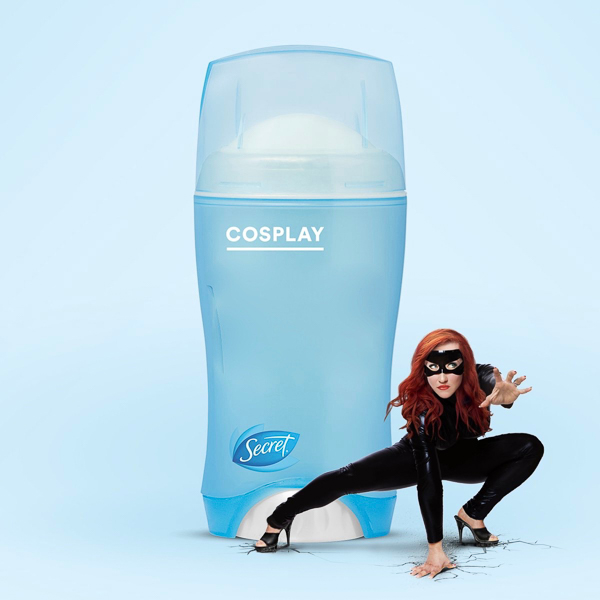
Con funk – The odour of sweaty con-goers! Many costumes are extremely warm to wear, so, in hot weather, cosplayers get sweaty. You’ll experience con funk at many conventions, especially in hotter climates/summer. Take your bodyspray, folks!
Con goers – Convention attendees. Often these people will be quiet and insular in everyday life, but conventions help to release their inner ‘super-heroes’, and allow them to express their true characters and idiosyncracies, including fangirlism, fanboyism, and other unfamiliar and extroverted behaviour, such as giving free hugs and glomping.
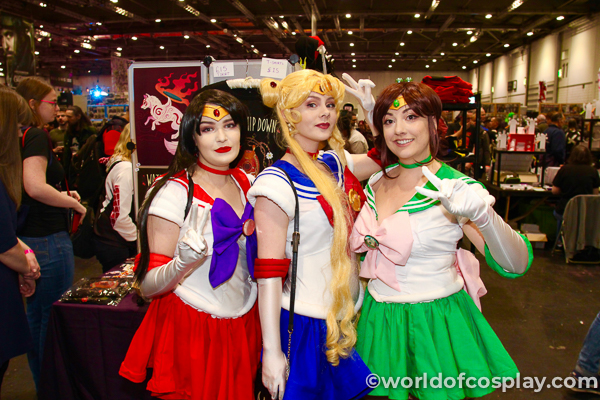
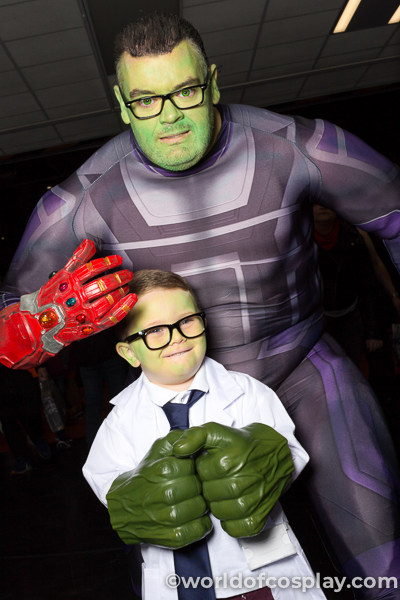
Con mom/dad is usually a parent who accompanies a child to a convention, though it can also be a used to describe an older fan. A Con Mom or Dad is often a fan of a genre from their youth, and may take part in con activities with their child.
Con plague – put thousands of people in close proximity and germs are bound to spread. This is the cause of con plague, which may afflict con attendees shortly after they’ve visited an event. This phenomenon existed long before COVID.
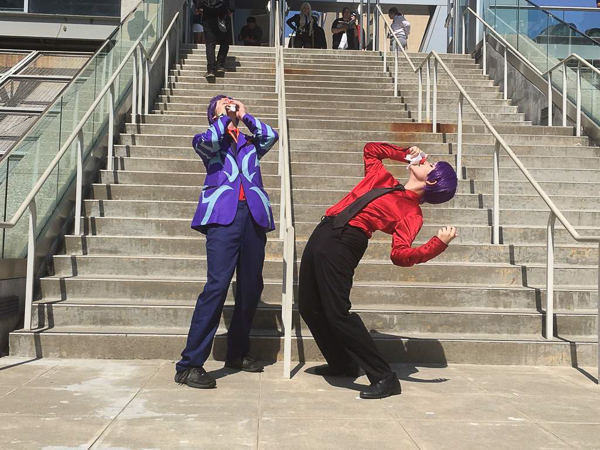
Cosers (pronounced cozzers) – A shortened term for cosplayers, used in countries including China and Taiwan.
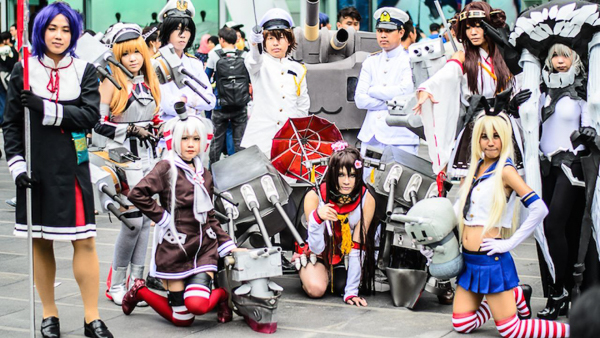
Cosplay – Describes the global culture of dressing up (usually) as characters from TV, film, comics or video games. Japanese Anime and Manga inspired the culture and remain a major part of it.
Sometimes, outfits and make-up are simple, though many are extremely complex, involving intricate make-overs and even animatronic elements to the costume.
Cosplay is most highly valued when the wearer has created it themselves, though novice cosplayers will often buy a standard costume for their first cons. Cosplay is a noun and a verb.
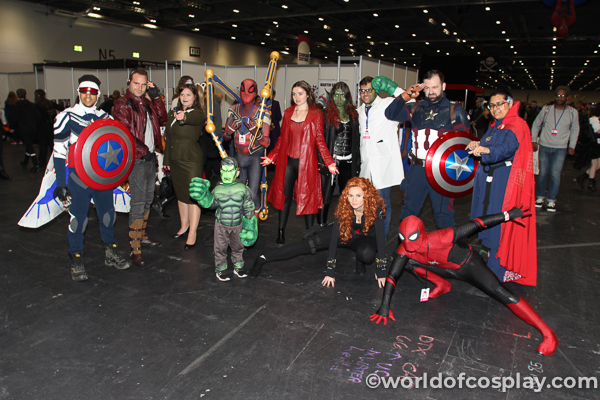
Cosplay contest – a competition where entrants are judged on the quality and creativity of an in-character sketch or role play, not just the craftsmanship of their costumes.
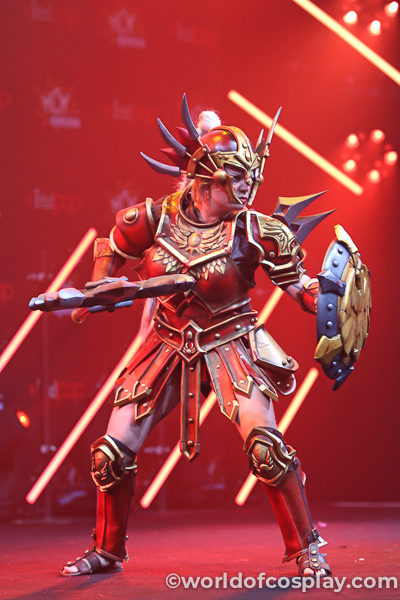
Cosplay drama – Costume-related drama, usually at a convention, and occasionally requiring the attention of the security team. Common causes include, people wearing the same costume or a ‘group cosplayer’ arriving in the wrong outfit. Intentional or accidental damage to much-loved costumes can also cause Cosplay Drama.
Cosplayer – A fan who engages in cosplay.
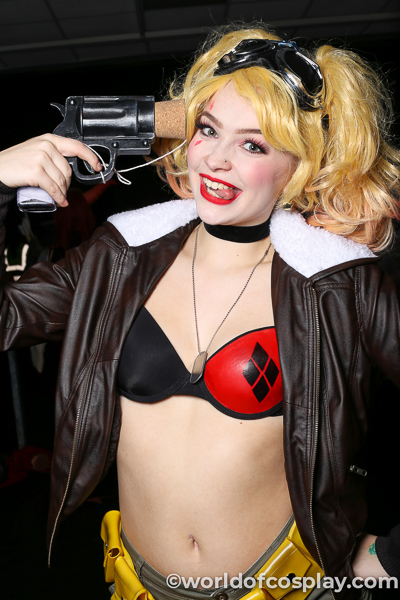
Costume contest – a competition in which a participant is judged solely on the quality and craftsmanship of their costume.
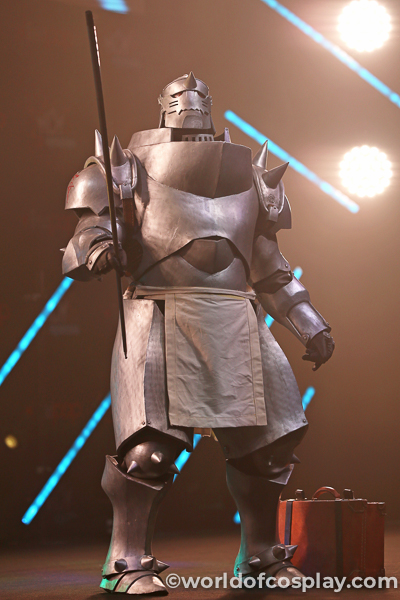
Crossplay is a term describing a cosplayer who dresses up as a character of a different gender – though this is, of course, dependent on how they identify.
D
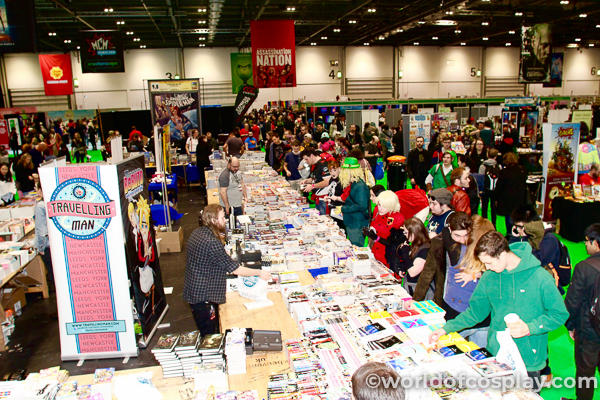
Dealer room – the space at a convention where goods relevant to the event can be bought.
E
Eroge – A Japanese genre of erotic video games.

F
Fan service – cosplay characters performing small skits, poses or role-plays to please their fans.
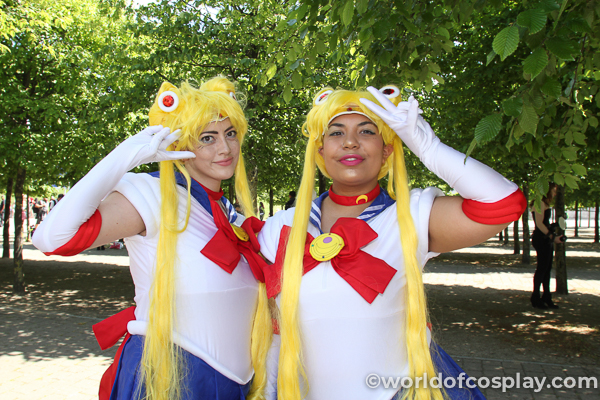
Fanboy/Fangirl – An obsessive cosplayer who often displays over-enthusiastic behaviour due to their uncontrolled passion for a specific character, voice actor or series. This typically manifests itself as loud squealing, wild movements, glomping, and sometimes even fainting. Fangirls are more common than fanboys.
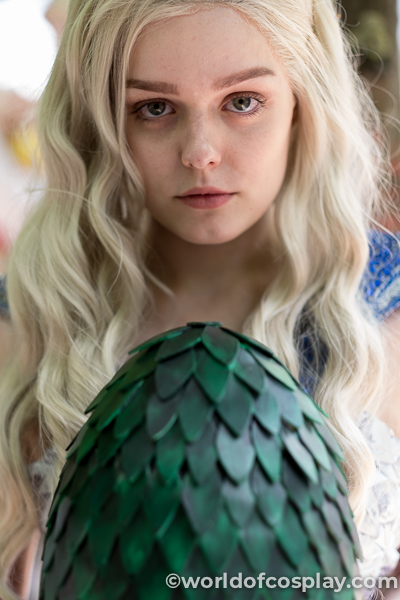
Fantasy/Sci-fi – Popular genres found at conventions. Some common fantasy/sci-fi cosplays include characters from Game of Thrones, Batman and Star Wars.
Furry: An animal with human characteristics. These characters are often recreated in cosplay by members of the furry subculture.
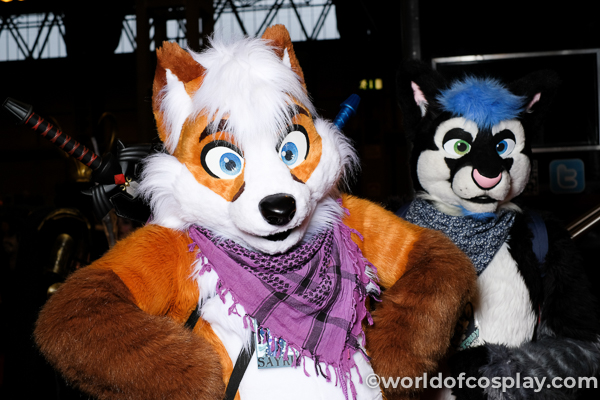
Futanari – Literally means ‘two kinds’ and is the Japanese word for hermaphroditism or androgyny. Outside Japan, the term is frequently used to describe an often-pornographic genre of video game, manga or anime, that features characters with both primary sexual characteristics, usually with the rest of the body being female.

G
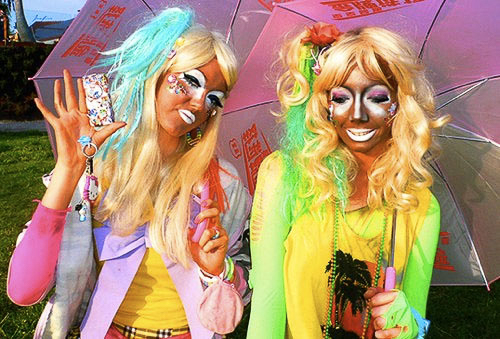
Ganguro – A rebellious 1990’s fashion trend that became popular in Japan, where women heavily tanned their skin, sometimes to the point it was orange or black. This was then matched with contrasting white make-up around their eyes and (often) a blonde hair wig. Colourful outfits and copious jewellery complete the look.
There is some debate whether Ganguro is racist or simply a fashion trend. The word Ganguro translates as ‘burnt-black look’ or ‘dark tanning’.
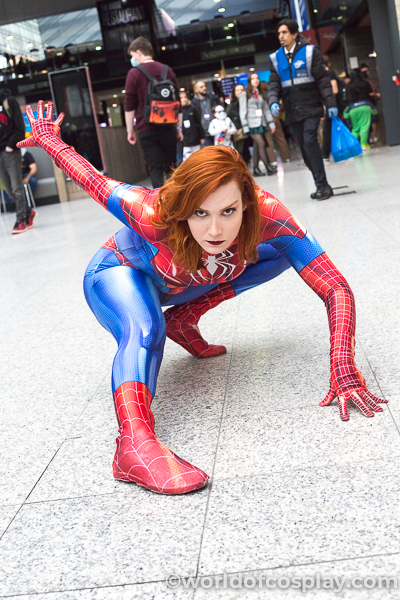
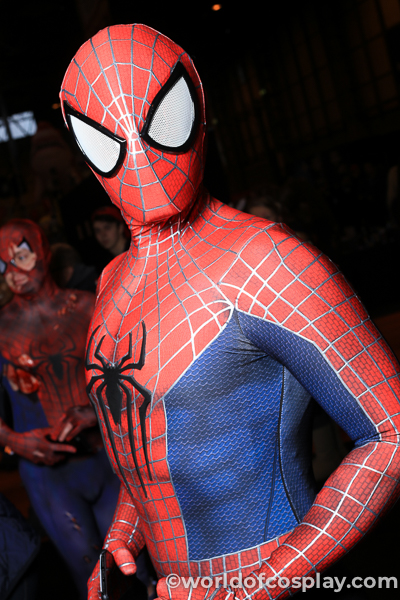
Genderbend cosplay is when a cosplayer changes the sex of a character, eg: a female version of Spider-Man.
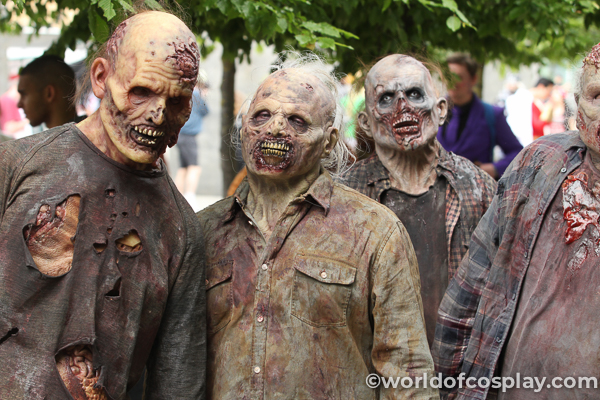
Genre describes the different subjects/groups within the nerd/geek/pop-culture scene, eg: sci-fi, horror, romance, etc. There are sub-genres, too, eg: slasher, zombie and gore/splatter horror.
Ghetto/Closet costumes – These budget cosplays have many elements straight from the closet or wardrobe, which are then usually modified to create the character detail. Closet costumes are often cheap to create, but can look great.
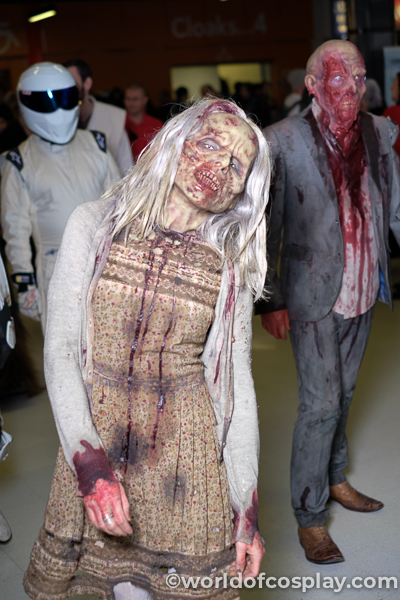
Gijinka is a style of cosplay based on anthropomorphising, or human representations of non-human characters. An animal-like character in humanoid form.
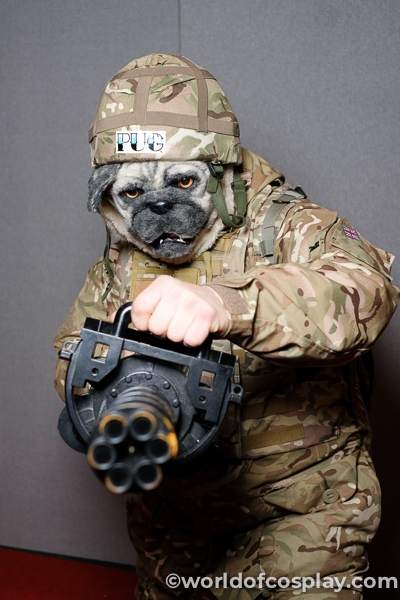
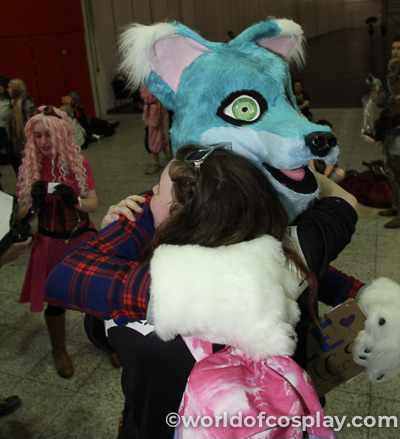
Glomp – An enthusiastic or overwhelming hug. Usually they are mutually appreciated, but may sometimes be unwanted/unreciprocated. Take care when glomping.
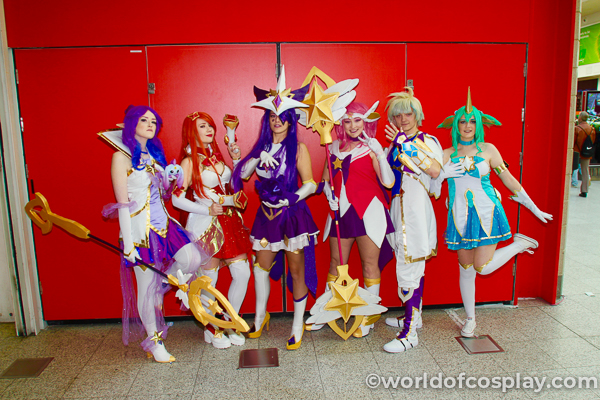
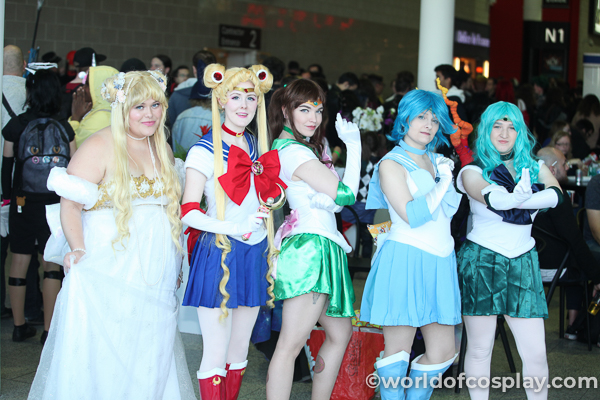
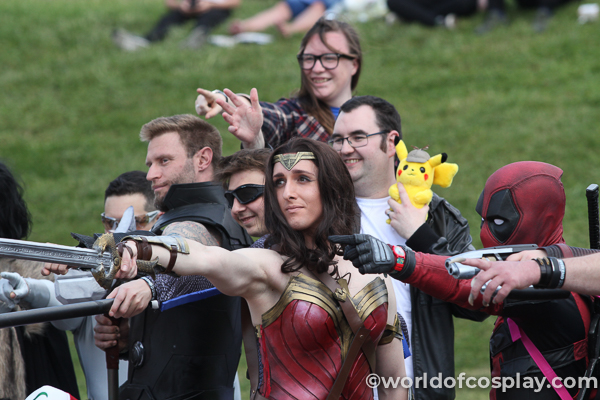
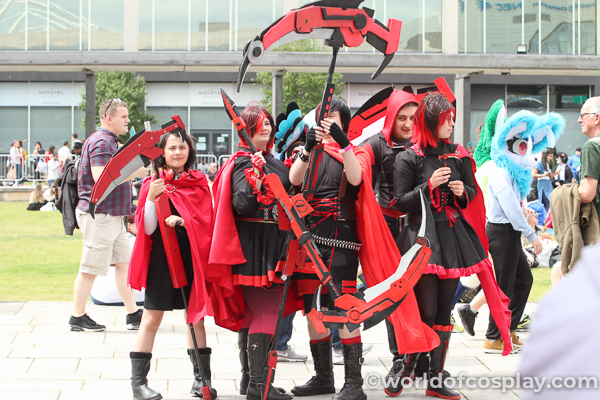
Group Cosplay – Multiple cosplayers who cosplay characters from the same series together.
H
The Hall includes all of the hallways at a con event. These are good places for cosplay photography/videography.
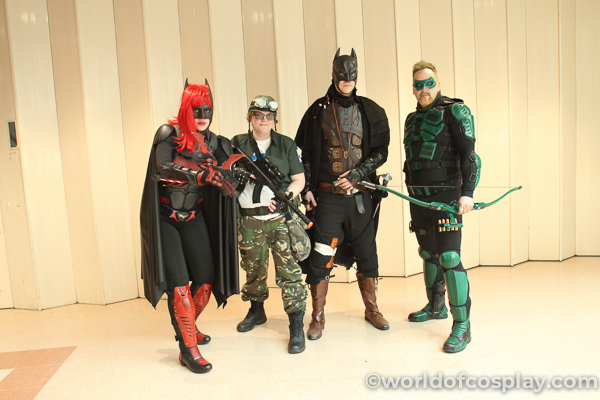
Hall cosplay defines a costume designed to be worn for long periods at a con, so the wearer can be photographed and videoed. These tend to be more comfortable and durable, with longer-lasting make-up.
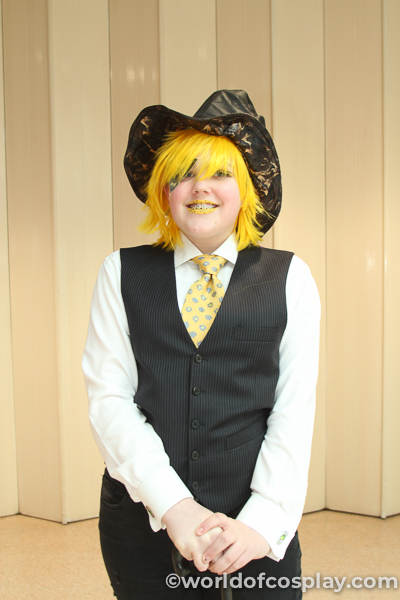
Hentai Pornographic Japanese animation or illustration.

Highlighting is a term used to describe the application of make-up to parts of the face, including forehead, nose and cheekbones to add definition and to emphasise/change the appearance of one’s face shape. Highlighting is often combined with contouring.

I
Indecency – This tends to take two forms in cosplay.
One is inappropriate and indecent behaviour towards cosplayers, which, unfortunately, happens from time to time, usually at cons or on photoshoots. This can take the form of sexualised comments and behaviour or, in the worst cases, inappropriate touching.
Meanwhile, the larger social media platforms often shadow-ban or remove cosplayers from their pages because their content-checking algorithms can interpret certain cosplay costumes as pornographic or indecent.
J
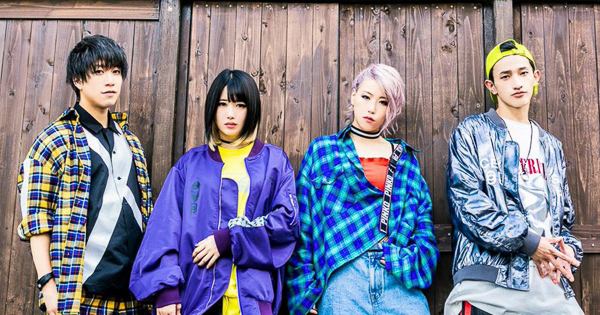
J-Pop – Japanese popular music. J-Pop stars are often popular in the cosplay scene.
K
Kemonomimi (animal ears): Characters with animal ears and/or horns, usually in addition to their human ears. Kemonomimi often also feature an animal tail. The ears can be on a headband, or slip over the cosplayer’s ears.
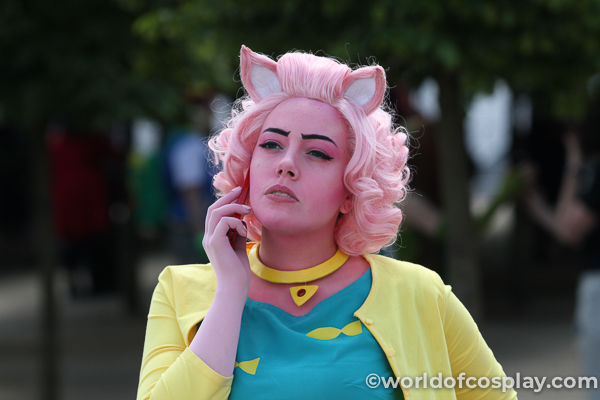
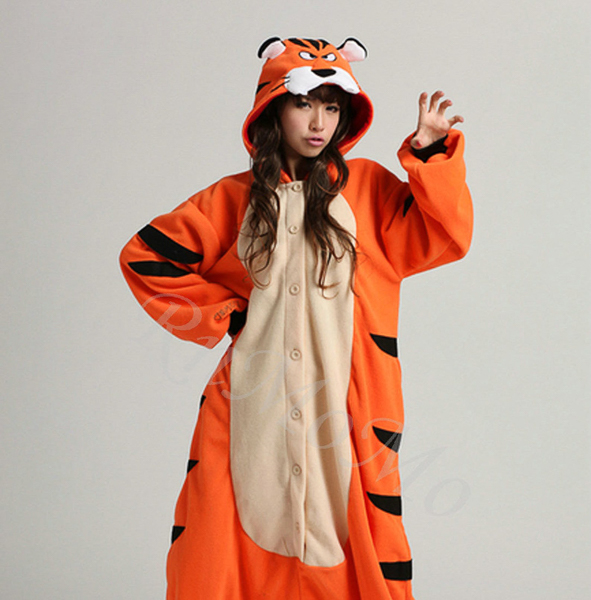
Kigu/Kigurumi is the fusion of two Japanese words: kiru (to wear) and nuigurumi (stuffed toy). Originally, it referred to the actors wearing the costume, but has since altered to include the costumes themselves.
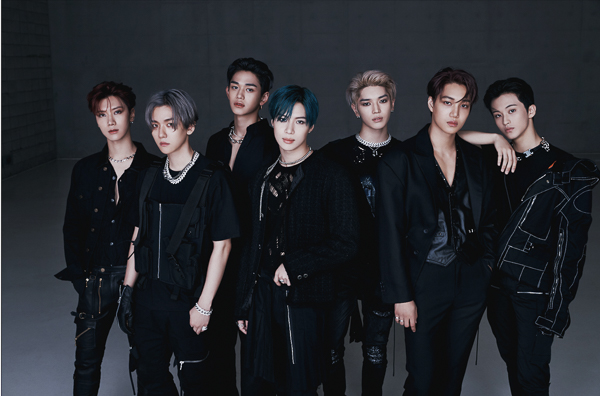
K-Pop – South Korean popular music. K-Pop stars are often popular in the cosplay scene.
L
LARP or LARPing stands for Live Action Role Play. It involves participants dressing up in costume and taking part in role-plays or mock battles. Some sophisticated larping has rules, which regulate each character’s behaviour.
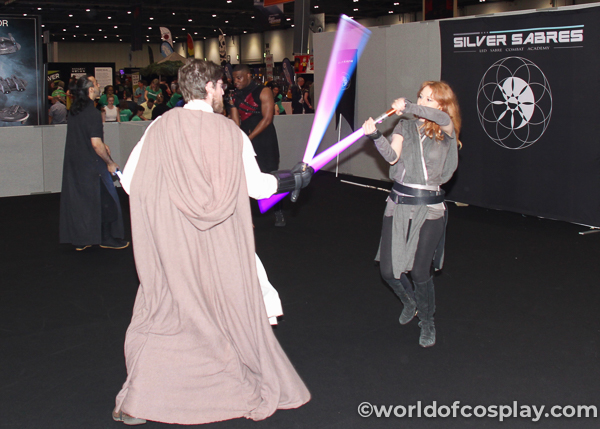
LARPer is someone who participates in LARPing (Live Action Role Play).
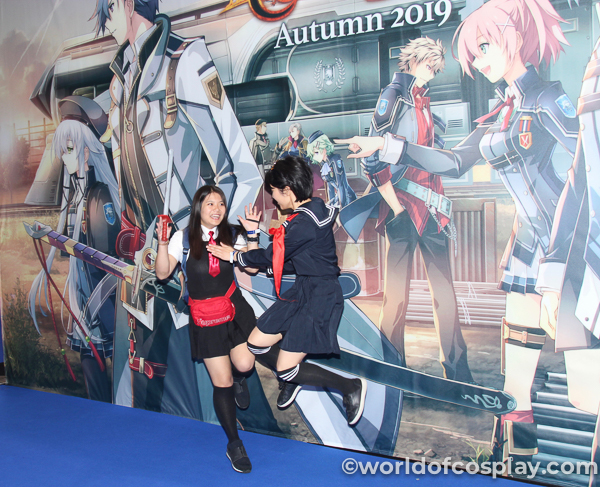
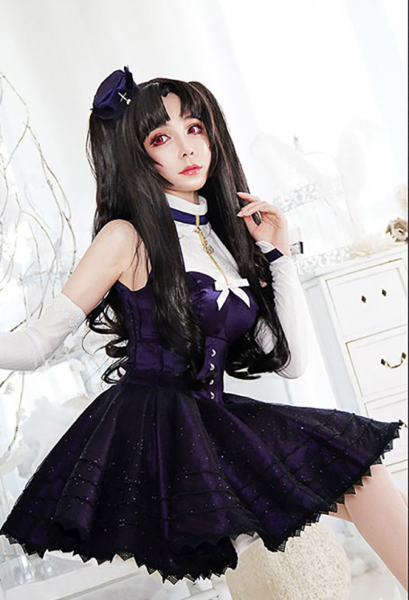
Lolita – a fashion subculture originating in Japan. It is heavily influenced by Victorian and Edwardian children’s clothing and styles from the Rococo period. The term Lolita has darker undertones when referring to the eponymous novel by Nabokov, and the 1962 Stanley Kubrick movie of the same name.
M
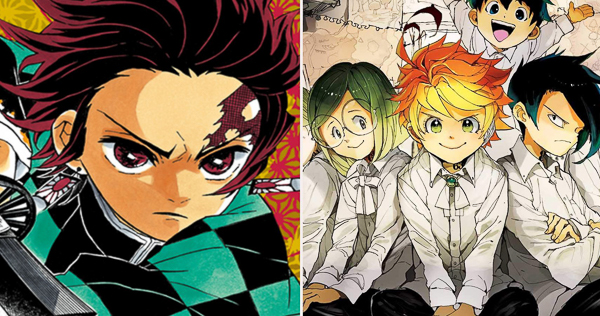
Manga describes Japanese comic books, graphic novels and cartoons that originate from Japan. The drawings have their own defined style, and the stories range from romance to horror, sci-fi to detective tales, and everything in between.
Mascot – see Furry.
Masquerade – a cosplay competition where cosplayers pitch their costumes/presentation against other entrants. Usually, there are various categories, depending on the amount of experience the cosplayer has, eg: Amateur, Artisan or Master.
The very best masquerade costumes are so elaborate, that they are only worn for the competition.
The role-plays typically vary from singing and sketches to fire-eating and juggling. The entrants are marked on creativity and performance.
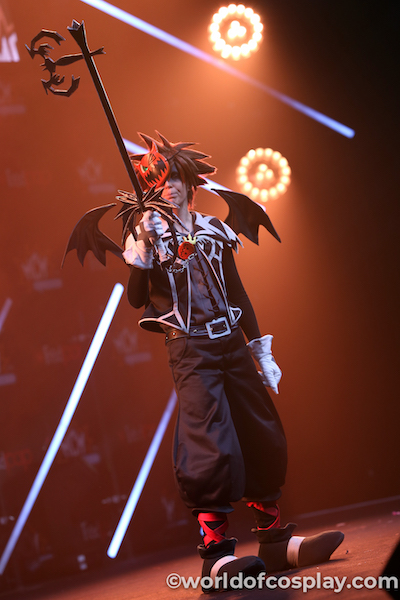
Master Cosplayer describes a cosplayer who has gained at least one international masquerade victory.
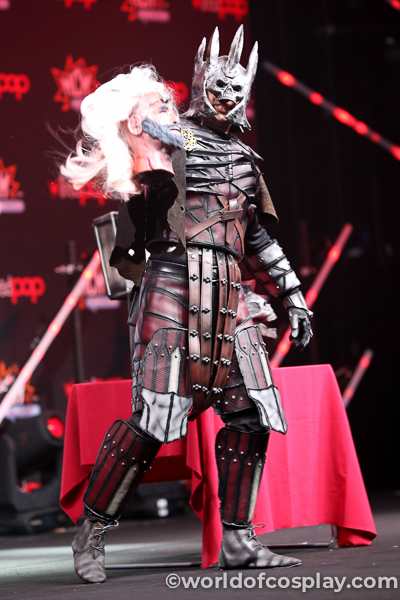
Melee (pronounced mellay) is a style of LARP where LARPers from different genres join in the role-play. Cosplay Melee is also the name of a Syfy channel reality TV show created by Jay Peterson and Todd Lubin. It was announced in February 2017, and premiered the first of six episodes on 21 March 2017.
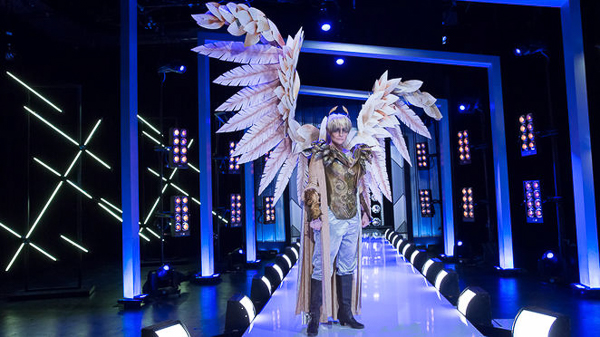
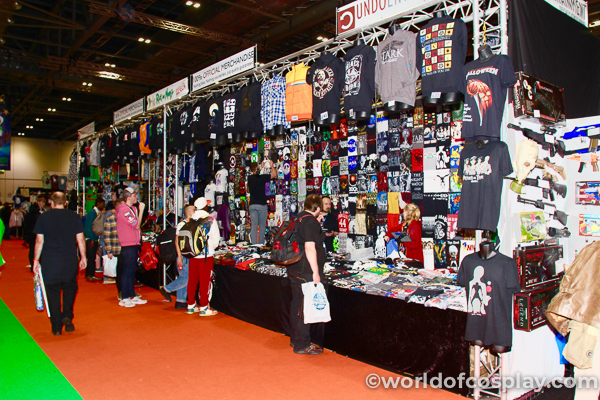
Merch – Merchandise.
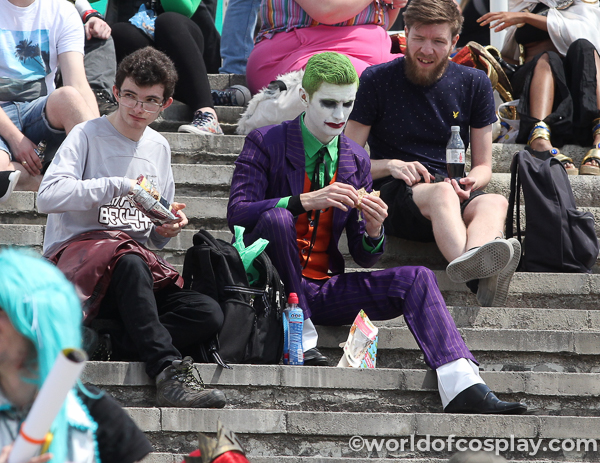
Minion: A non-pejorative term that describes a person who assists a cosplayer with their costume. Minions are crucial in the top-level of cosplay, where costumes may be difficult to transport, dress-in and wear.
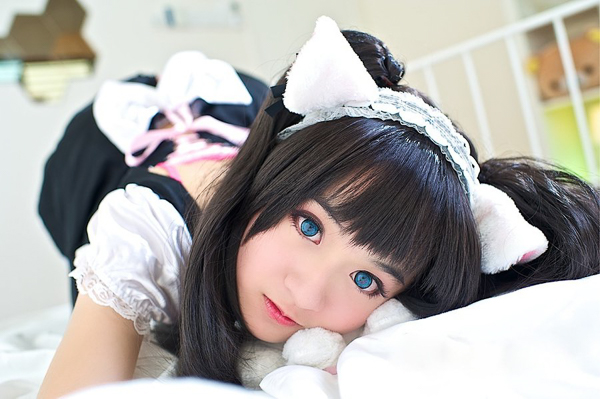
Moe: A Japanese word referring to a strong feeling of affection towards (usually female) characters in pop-culture media, eg: anime and manga. Moe relates to the sense of cuteness a character exudes.
N
Novice cosplayer is someone who’s new to cosplay and perhaps attending their first con. Often they will be nervous about being accepted or how their costume will be received. Of course, all good cosplayers will support and encourage them.
Similarly, in cosplay masquerade competitions, new entrants will usually enter a Novice category and build up their skills and experience to enter Journeyman and Master categories, as they improve.
O
Old-School is a relative term used to describe older anime, typically films made before the digital-revolution in 1996.
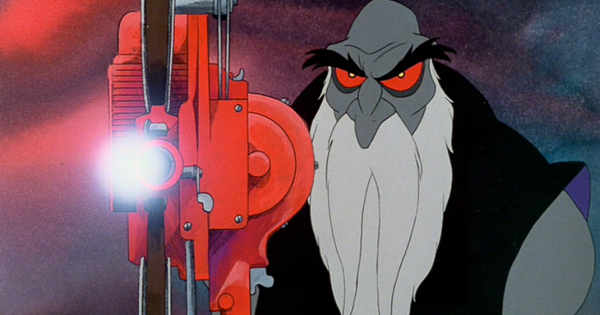
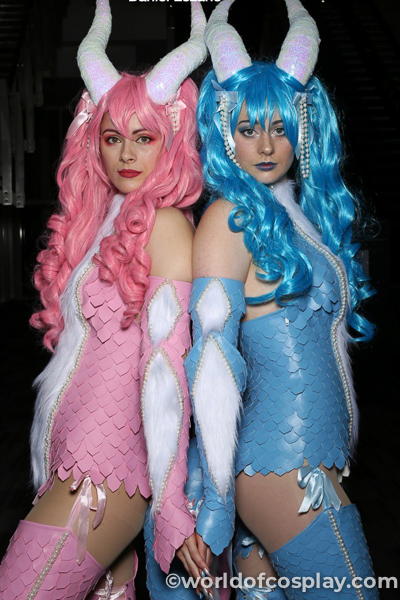
Original Costume (OC) is when cosplayers create costumes to their own designs and specification, and do not try to recreate a recognised character. Also known as Original Cosplay.
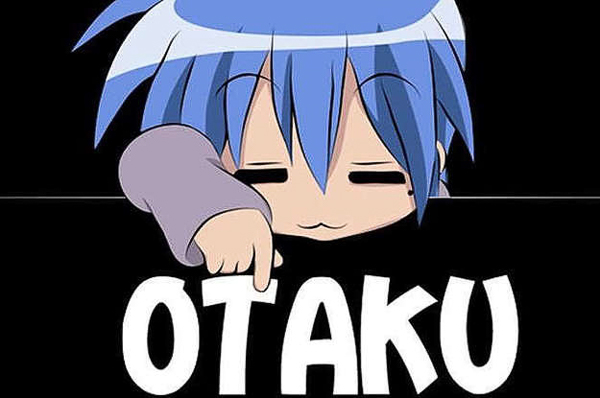
Otaku is a Japanese term for people with obsessive interests in computers and various aspects of pop-culture, particularly manga and anime. Often this interest comes at a cost to their social skills.
P
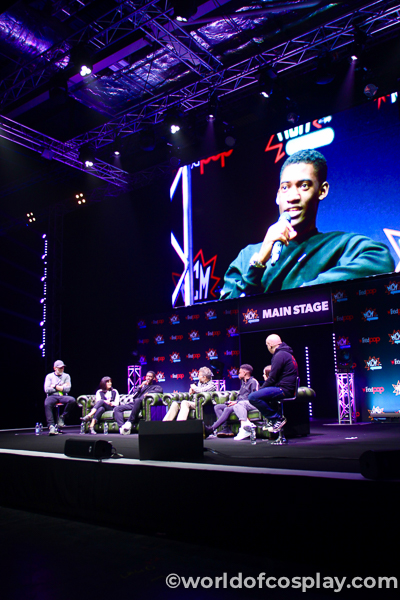
Panel – An event, usually at a con, where one or more experts on stage discuss a specific topic or genre.
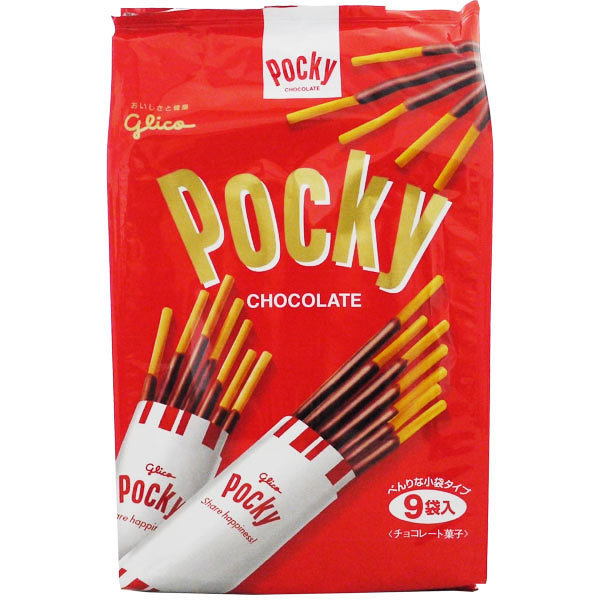
Pocky – Sweet biscuit sticks often covered in chocolate-flavoured icing.
R
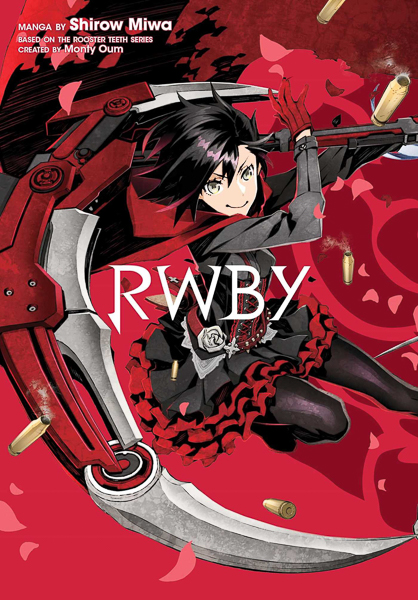
RWBY – (pronounced ‘Ruby’) An anime-style online series from the USA. RWBY is set in the fictional world of Remnant, where, young people undergo training to become warriors, (Huntsmen or Huntresses), to protect Remnant from invading monsters called Grimm.
S
Screenings – Anime or genre-related films shown at conventions.
SD or ‘super deformed’. This is a super-chibi version of a character.
Short Runner – An anime series, usually consisting of 12 episodes. Normally, an anime season extends to 24-26 episodes. A short runner is half an anime season.
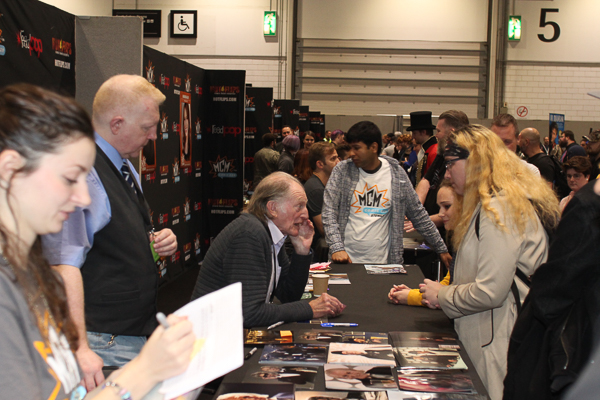
Signing – An event, typically at a con, where fans queue to get the autographs/selfies of their favourite special guest/celebrity. Most often, this service is charged for, with selfies costing more than autographs.
Swag is free-merchandise given out at cons, usually for the purposes of promotion.
T
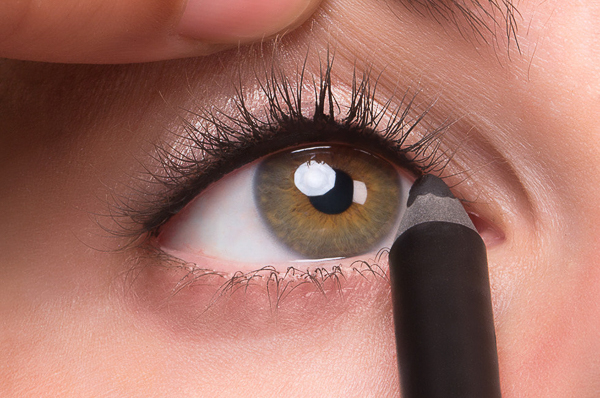
Tight-lining is a make-up technique where eye-liner is applied between the base of the eye lashes. This gives the appearance of thicker lashes, though the effect is much subtler than when eye-liner is applied normally.
Trap – A man or woman dressed, convincingly, as a member of the opposite sex.
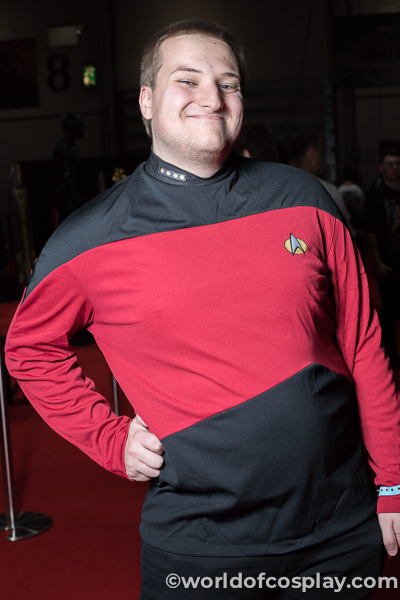
Trekkie: A fan of Star Trek.
U
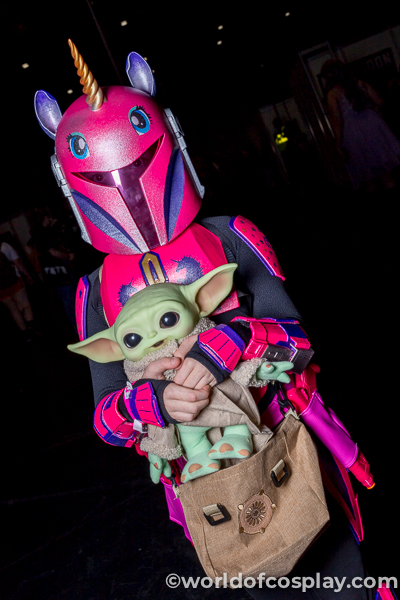
Unicos – An increasingly popular cosplay where the participant costumes as a Unicorn or brings a unicorn theme to another genre. of cosplay!
V
Voice actor – The talent who provides the voice for a specific character, typically from anime or video games. Some V.As will perform multiple voices in a single show, for example, The Simpsons, where Nancy Cartwright, who voices Bart, also provides vocals for other characters, including Nelson Muntz, Ralph Wiggum, Todd Flanders, Kearney, Database and Maggie.

W
Warsie: A fan of Star Wars.
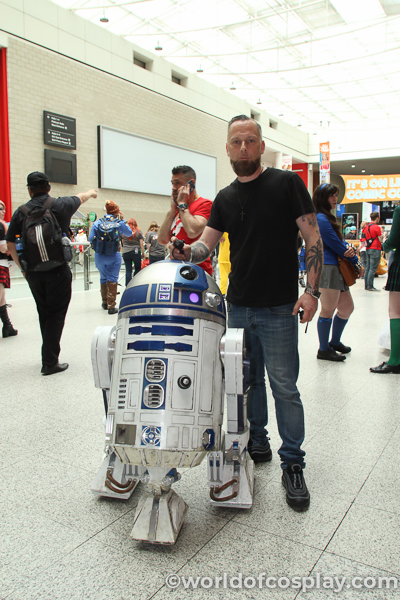
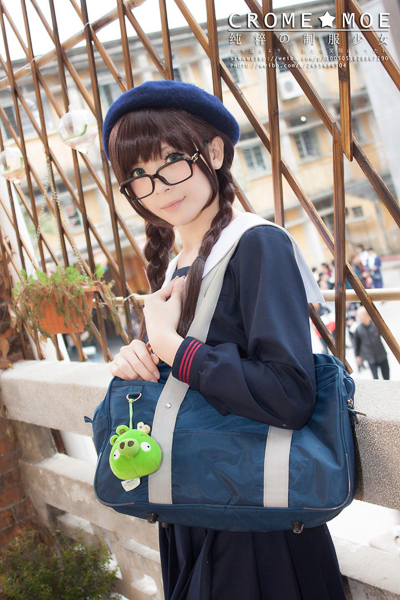
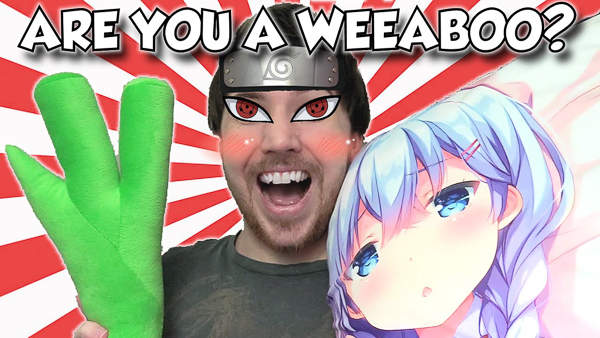
Weeaboo – An extreme form of Otaku. Someone who has taken their passion to new heights, such as often replacing English words with Japanese ones, eg: words such as ‘Cat’ and ‘Cute’ become ‘Neko’ and ‘Kawaii’.
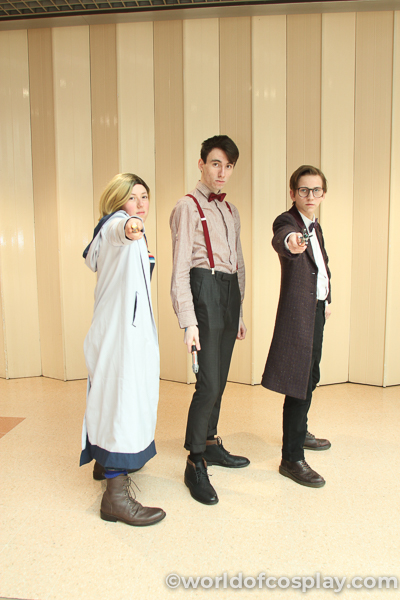
Whovian (pronounced hoovian): A fan of Doctor Who.
X
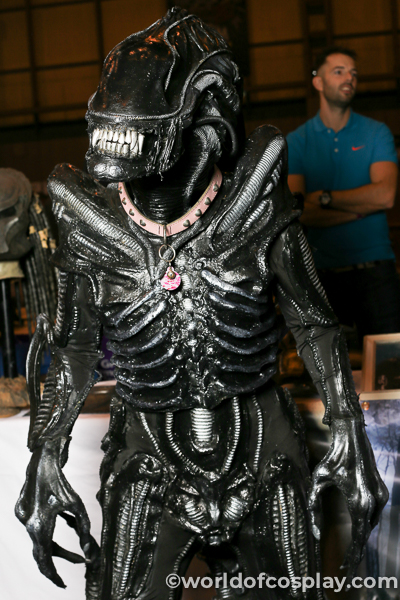
Xenomorph/Xenomorphic cosplay – Where cosplayers dress up as the iconic alien from the Alien movies.
Y
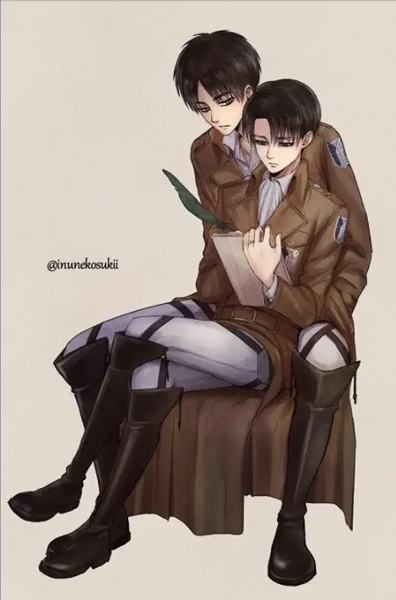
Yaoi is a Japanese term for manga that features sexual romance between men, usually created by women, for women. In western countries, yaoi typically refers to any anime, manga or fan fiction featuring male romance.
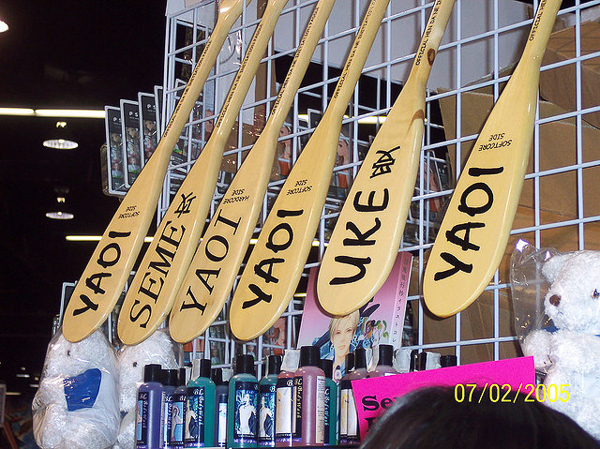
Yaoi paddle – An accessory that resembles a canoe paddle with the word YAOI etched across, and often carried by fangirls.
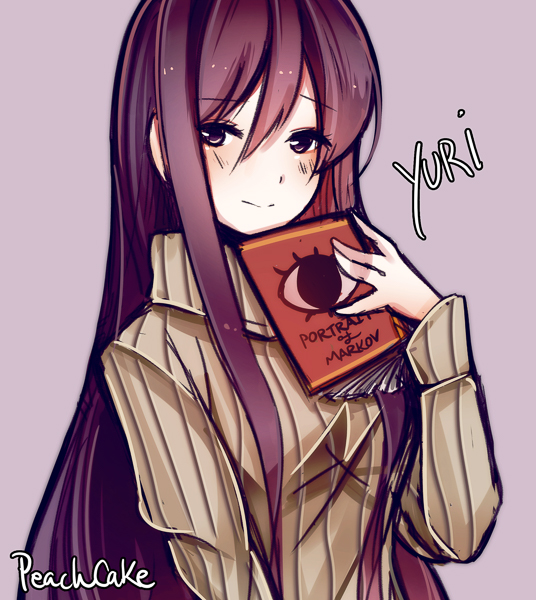
Yuri – Also known as girl-love. Often pornographic, animated/illustrated content featuring female romance.
Z
Zentai is a skin-tight suit that covers the entire body (from the Japanese ゼンタイ zentai). The word is a portmanteau of zenshin taitsu meaning ‘full-body tights’. The popular Morph suit is an example of Zentai, which are usually made of nylon/spandex.
3D printing
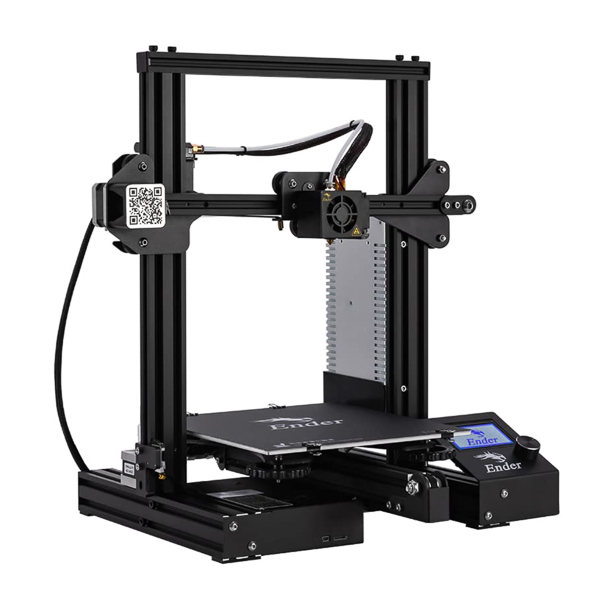
3D printing or additive manufacturing, is a process of creating products by building them up one thin layer at a time, using a plastics material ‘sprayed’ from a printer nozzle at close range.
3D printing is increasingly used to create short-run cosplay props that are not financially-viable for mass production. The 3D template digital files for many popular cosplay products can be bought online, then uploaded to a printer to create the prop.
Got a word to add?
If we’ve missed something, please let us know and, when verified, we’ll add it. Email it to info@worldofcosplay.com
World of Cosplay always aims to credit any pictures it uses fairly and accurately, and will not use images for commercial gain – in adverts or sponsorships – without obtaining prior approval. If you feel any of our picture crediting is inaccurate, please drop us a line at info@worldofcosplay.com, adding ‘Picture credit’ in the subject bar.
Author:
John Sootheran
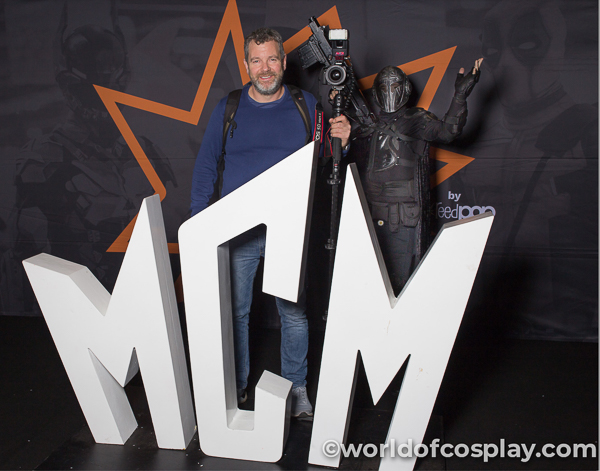
John’s a cosplay photographer and videographer who visited his first con in 2017, and has been to numerous London, Birmingham and Manchester events since.
He finds the cosplay vibe addictive and is one of the team to launch worldofcosplay.com
Leave a Reply